Double Burden of Malnutrition in Non-Pregnant Women in Panama
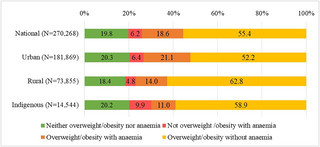
A study published in PLoS One investigates the double burden of malnutrition among non-pregnant women of reproductive age in Panama, revealing significant health implications. The research, based on data from the 2019 National Health Survey of Panama (ENSPA), estimates that 18.6% of women aged 15 to 49 experience both overweight/obesity and anaemia. This dual condition poses serious risks not only to individual health but also to national economic productivity, as both anaemia and obesity have been linked to adverse health outcomes and increased healthcare costs. The study identifies key sociodemographic factors associated with this prevalence, including education level, age, and inflammatory markers. Specifically, women with lower education levels were found to be 2.84 times more likely to experience this double burden, while those aged 40-49 had a 5.99 times higher likelihood compared to younger women. Additionally, higher levels of inflammation were significantly correlated with the presence of both conditions. The findings underscore the urgent need for targeted public health interventions to address malnutrition in its various forms, particularly in vulnerable populations such as women of reproductive age. The study emphasizes that while Panama has been classified as a high-income country, it faces significant inequalities, particularly in access to healthcare and nutrition among indigenous populations. This highlights the complexity of addressing malnutrition, which is influenced by a range of socio-economic factors and requires comprehensive strategies to improve health outcomes for women and their families.