Dietary Habits of Ancient Romans Revealed Through Vesuvius Eruption Analysis
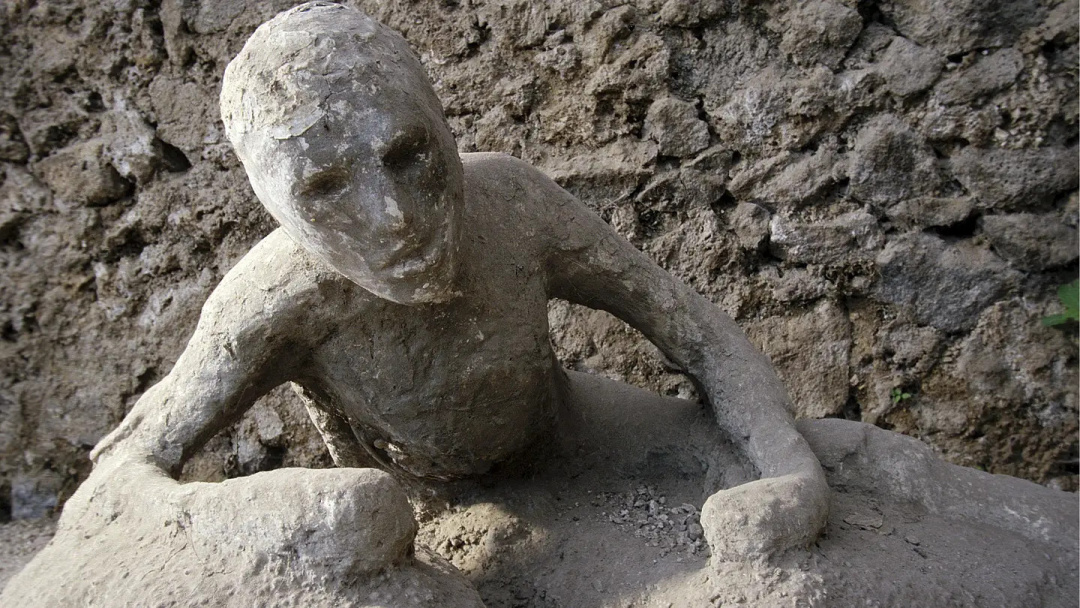
Mount Vesuvius erupted in AD 79, burying the Campania region of Southern Italy under a thick layer of ash, rock, and pumice. This volcanic material effectively sealed in the remains of ancient Roman cities such as Pompeii and Herculaneum, allowing for remarkable preservation of buildings and human remains. Archaeologists have taken advantage of this preservation to gain insights into the daily lives of the people who lived there, particularly their diets.
In a 2021 study, researchers analyzed the preserved remains of 17 adults from Herculaneum, utilizing the ratios of nitrogen and carbon isotopes found in their teeth to uncover their dietary patterns. This analysis revealed that men and women had distinct diets, with men consuming a wider variety of foods compared to women. Specifically, men were found to eat approximately 50% more seafood than women, likely due to their predominant roles as fishermen. This dietary preference indicates a direct connection between their occupations and their food choices.
In addition to seafood, men also had access to a greater variety of cereals, which may have been influenced by societal roles and the timing of their emancipation from slavery. Women, while having a more restricted diet, still enjoyed a range of foods including meats, eggs, dairy products, legumes, and a greater variety of fruits and vegetables than their male counterparts. Despite the differences, both genders managed to obtain sufficient protein and calories from their diets.
The study highlighted the significant role of olive oil in the diet of these ancient Romans, with at least 12% of their caloric intake derived from this source. Interestingly, olive oil was utilized more as an energy source than as a condiment, contrasting with modern Mediterranean diets where only about 5% of calories come from olive oil. Historical records indicate that Romans consumed around 20 liters of olive oil annually, underscoring its importance in their culinary practices.
Wine was also a common beverage among both men and women in Campania, although it was not classified as a dietary source in this particular study. The findings from this research not only shed light on the dietary habits of ancient Romans but also reflect broader patterns of food consumption that resonate with contemporary Mediterranean diets.