Engineers Create 3D-Printed Cookies from Recycled Plastic Using Yeast
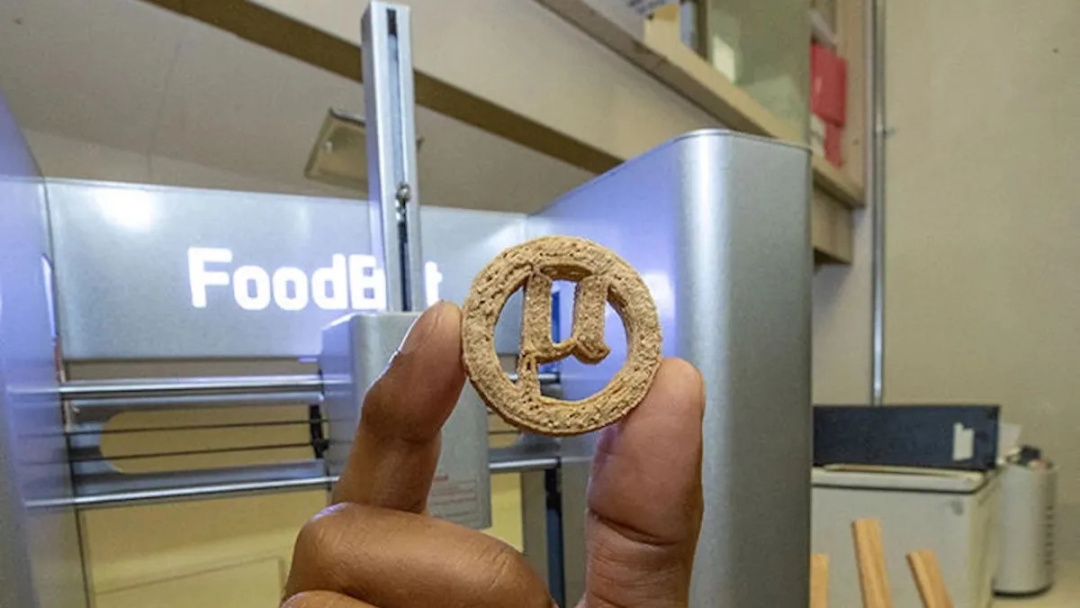
Researchers at Southern Illinois University (SIU) Carbondale are pioneering a method to transform plastic waste into edible cookies, a project supported by NASA. This innovative process, presented at the fall meeting of the American Chemical Society, utilizes reprogrammed yeasts to convert polyethylene terephthalate (PET)—a common plastic found in bottles—into digestible proteins and flavor molecules. SIU microbiologist Lahiru Jayakody explains that the goal is to develop technologies for plastic upcycling to create valuable food products. Since both plastic and food are carbon-based, the team saw an opportunity to repurpose waste into something consumable.
The process begins with the breakdown of PET and agricultural waste through a method called oxidative hydrothermal dissolution, which involves heating water and oxygen to high temperatures. This breakdown produces microscopic debris that the reprogrammed yeasts can consume. The yeasts, which include strains typically used in baking, are engineered to crave the molecules found in plastics and agricultural byproducts. As they digest these materials, they produce essential food components such as acids, fats, and proteins. These ingredients are then combined with sweeteners and starches to form a paste that can be 3D-printed into cookies dubbed µBites.
While initial tests have shown that µBites have a pleasant aroma and are likely safe for consumption, researchers are awaiting institutional approval before conducting taste tests. Additionally, the team is exploring ways to program yeasts to produce other food flavorings, such as vanilla, and to convert PET's ethylene glycol into beta-carotene, a source of vitamin A.
Jayakody envisions these upcycled foods as practical solutions for resource-limited environments, such as submarines and space missions, which is why the project has garnered interest from NASA's Deep Space Food Challenge. However, the implications of this research extend to addressing global food security, especially as reports indicate that food demand may rise by 56 percent by 2050, potentially leaving a third of the world's population at risk of hunger. Jayakody emphasizes the cleverness of microbes in solving the problems created by plastic pollution, highlighting the innovative intersection of food science and environmental sustainability.