Study Reveals Lasting Impact of Medications on Gut Microbiome
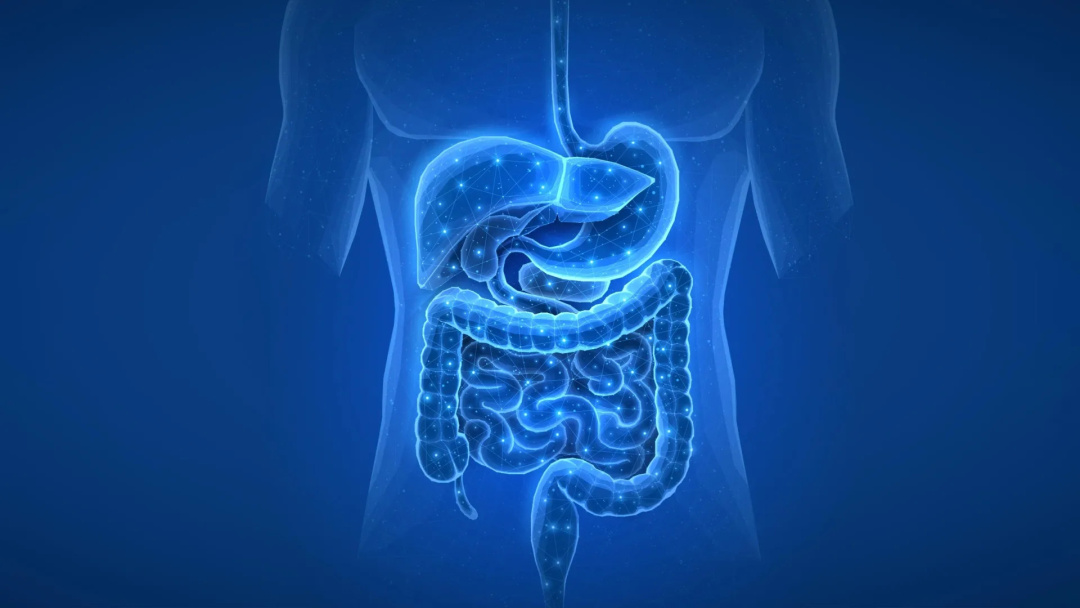
A large-scale study conducted by researchers at the University of Tartu Institute of Genomics has revealed that medications can have a lasting impact on the gut microbiome, even after individuals have stopped taking them. This research, which analyzed stool samples and prescription records from over 2,500 participants in the Estonian Biobank, found that a person's history of medication use could help explain variations in their gut microbiome years later. The gut microbiome, a complex community of bacteria and other microorganisms residing in the digestive tract, plays a crucial role in digestion, metabolism, immune function, and overall health.
The study's findings indicate that most of the medications examined were linked to observable differences in the gut microbiome, with many of these changes persisting long after the medications were discontinued. While the disruptive effects of antibiotics on gut bacteria are well-documented, this study also identified significant associations with other classes of medications, including antidepressants, beta-blockers, proton pump inhibitors, and benzodiazepines. For example, beta-blockers, commonly prescribed for high blood pressure and heart conditions, and proton pump inhibitors, used to reduce stomach acid, were found to create distinct microbial patterns.
Dr. Oliver Aasmets, the lead author of the study, emphasized that most microbiome research typically focuses on current medication use. However, this study highlights the importance of considering past drug use, which can be a surprisingly strong factor in explaining individual differences in microbiome composition. This insight suggests that researchers investigating the links between the microbiome and various diseases should take into account medications that individuals may have taken months or even years prior to the study.
One particularly notable finding involved benzodiazepines, which are often prescribed for anxiety. The study found that the associations between benzodiazepines and changes in the gut microbiome were comparable to those seen with broad-spectrum antibiotics, which are known to cause substantial alterations in gut microbial communities. Interestingly, the study also revealed that medications within the same drug class did not uniformly affect the microbiome. For instance, diazepam and alprazolam, both benzodiazepines, exhibited differing impacts on gut microbes, suggesting that individual drugs should be evaluated separately in microbiome research.
Additionally, researchers conducted follow-up analyses on stool samples from a smaller subset of participants, allowing them to observe changes in gut microbes corresponding to the initiation or cessation of specific medications. These follow-up samples indicated predictable shifts in microbial composition, reinforcing the notion that the medications themselves may be responsible for some of the observed differences. Persistent effects were confirmed for proton pump inhibitors, selective serotonin reuptake inhibitors, and certain antibiotics.
The results of this comprehensive study underscore the idea that the gut microbiome reflects more than just an individual's current diet, lifestyle, and health status; it may also retain biological traces of past treatments. Professor Elin Org, a corresponding author of the study, stated that this research encourages both scientists and clinicians to consider medication history when interpreting microbiome data. By accounting for past medication use, researchers may be better equipped to differentiate between microbiome changes associated with diseases and those resulting from prior medications.