Rapid Whole-Genome Sequencing Program Transforms Care for Critically Ill Children in Dubai
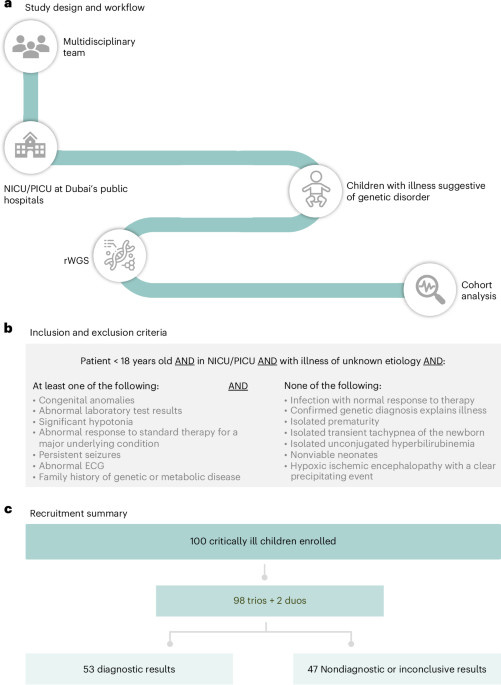
Rapid whole-genome sequencing (rWGS) has emerged as a crucial tool for diagnosing and managing critically ill patients, especially in regions with high rates of recessive diseases, such as Dubai. The Little Falcon program, a citywide initiative implemented within the neonatal and pediatric intensive care units of Dubai Health, has shown promising results. In a study involving 100 critically ill patients from various Middle Eastern and Asian countries, rWGS was performed with a median turnaround time of 3.4 days, yielding a diagnostic rate of 53%. This rate increased to 80% among consanguineous families, highlighting the program's effectiveness in a population where genetic disorders are prevalent.
The program's implementation involved a multidisciplinary team that coordinated referrals from maternity and pediatric centers, ensuring that eligible patients received timely genetic testing. The findings revealed multiple molecular diagnoses in 12% of patients, including actionable results that could guide immediate treatment plans. For instance, some patients were found to have genetic variants that could be addressed with specific therapies, significantly altering their clinical management.
Compared to traditional genetic testing methods, which often take weeks to months for results, rWGS has dramatically reduced diagnostic times and improved the overall yield of genetic diagnoses. The integration of rWGS into routine care not only facilitates faster decision-making but also enhances the quality of care provided to critically ill children, many of whom present with complex genetic conditions.
Despite the success of the Little Falcon program, challenges remain in the broader implementation of rWGS in the Middle East, primarily due to the need for specialized infrastructure and financial resources. However, the program has set a precedent for integrating advanced genomic technologies into pediatric healthcare, demonstrating the potential for rWGS to transform the management of genetic diseases in this region.
As the program continues to evolve, it aims to establish sustainable funding models and expand access to genomic testing, ultimately improving health outcomes for children facing genetic disorders. This initiative not only addresses immediate clinical needs but also contributes to the growing body of genomic knowledge that can benefit diverse populations across the globe.














