Circadian Dynamics of Tumour-Derived Extracellular Vesicles and Therapy
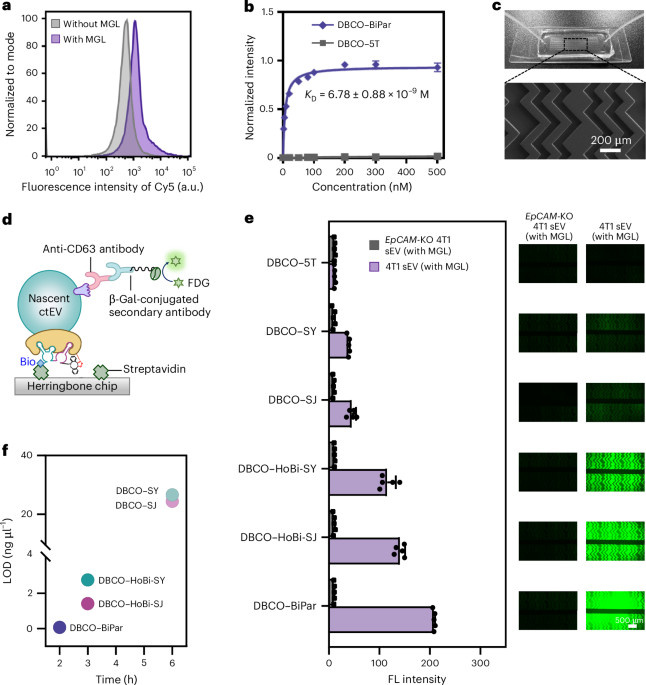
Extracellular vesicles (EVs) are nanoparticles released by cells that play a crucial role in intercellular communication. Among these, circulating tumour-derived EVs (ctEVs) are known to contribute to tumour progression. However, the circadian dynamics of ctEVs have not been well understood due to the absence of effective tools for studying their biogenesis. In a recent study, researchers introduced a novel method called ctEV-CLOCK, which allows for the isolation of nascent ctEVs with 12-hour resolution. This method combines metabolic glycoengineering-based timestamping with tumour-marker-guided selective click tagging, enabling the enrichment of ctEV populations within specific time frames. The findings revealed that ctEV abundance and their functional properties exhibit circadian oscillations across various mouse tumour models. These oscillations correlate with time-of-day-dependent changes in vesicle protein profiles. Notably, aligning targeted therapy with the peak levels of ctEV protein significantly improves therapeutic outcomes. This research positions the circadian dynamics of ctEVs as an important regulatory factor in tumour biology and suggests a framework for developing circadian-aligned cancer chronotherapy, extending beyond strategies focused solely on immune responses. The study underscores the potential of integrating circadian biology into cancer treatment protocols, which could lead to more effective therapeutic strategies.