Viral TikTok Videos Spark Concerns About Artificial Foods in America
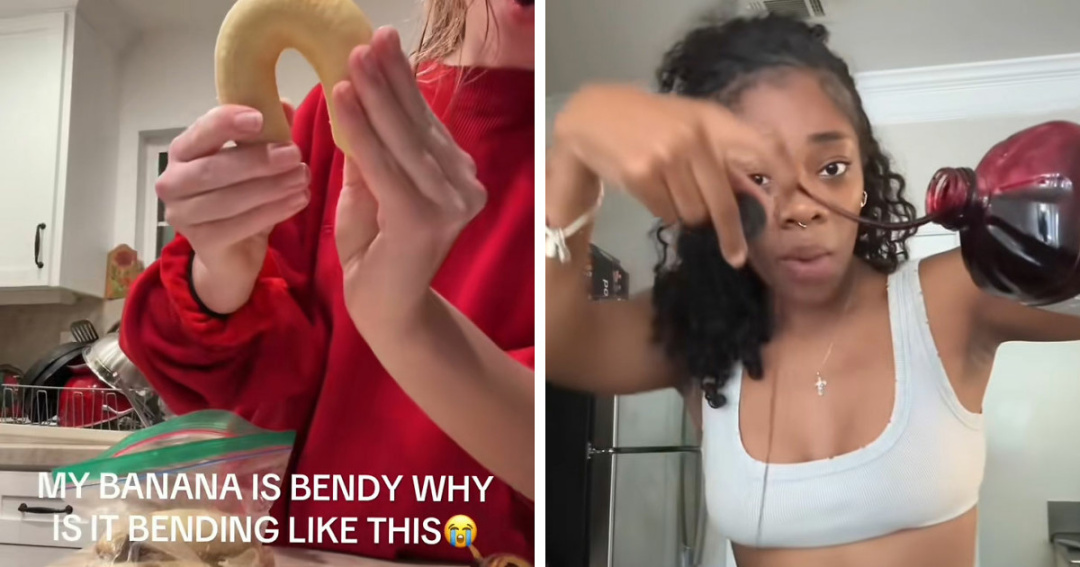
Recent viral TikTok videos have ignited a wave of concern among Americans about the authenticity of their food. Viewers are questioning whether common items like watermelon, cheese, and bananas are genuinely what they appear to be, with some clips showcasing bizarre food behaviors, such as ice cream that refuses to melt under hot water and bananas that bend like rubber. These videos have prompted many to ask, "Why is all of our food fake?"
The growing unease about food authenticity reflects a deeper mistrust in the food supply chain. Justin and Travis Maderia, commercial fishermen and founders of Lobsterboys, noted that these videos resonate with a significant concern: many people feel disconnected from the origins of their food. This sentiment is supported by a 2025 CDC report indicating that ultra-processed foods have increasingly dominated the American diet, with individuals aged one year and older consuming an average of 55% of their total calories from these products between August 2021 and August 2023.
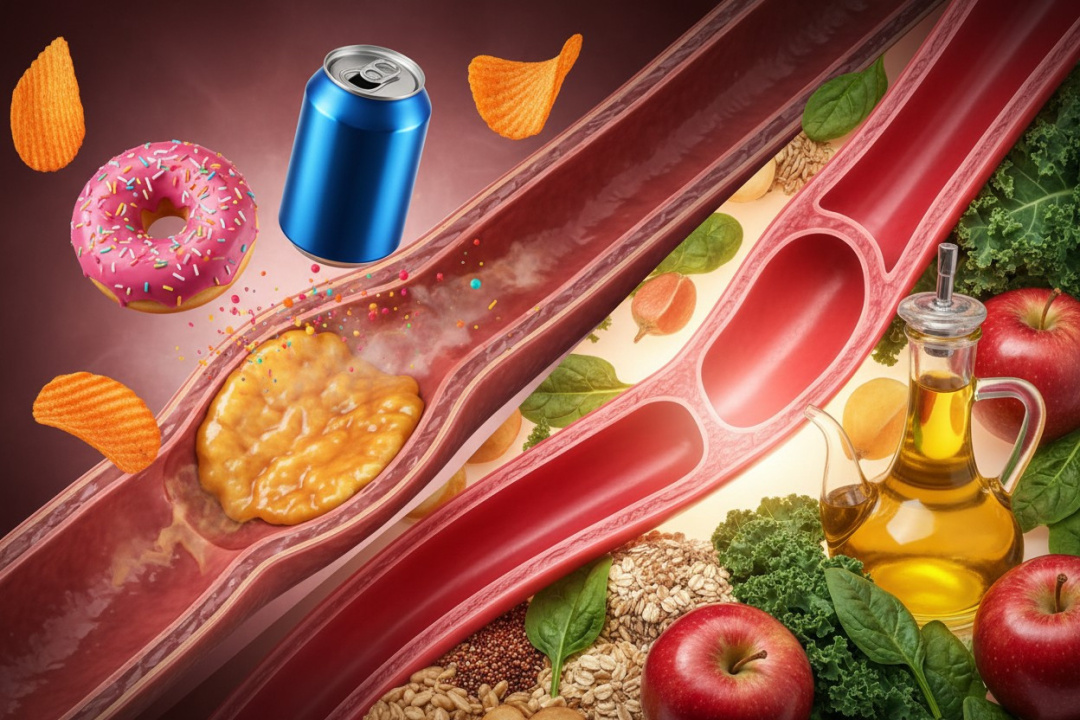
Among the most commonly consumed ultra-processed foods are sandwiches, sweet bakery items, savory snacks, and sweetened beverages. Alarmingly, children and adolescents aged 1 to 18 years derive an even higher percentage of their calories—61.9%—from ultra-processed foods compared to 53% for adults over 19. This trend raises questions about the nutritional value of these foods and their long-term health implications.
The concerns surrounding artificial ingredients are compounded by the current regulatory framework. For decades, food manufacturers have been able to introduce new ingredients without formal review by the FDA, claiming they are 'generally recognized as safe' (GRAS). Originally intended for well-known ingredients, critics argue that this system has allowed over 1,000 substances to enter the food supply without sufficient safety evidence. In response to growing public concern, the government is now proposing stricter regulations that would require companies to notify authorities when they classify an ingredient as GRAS, aiming to close a significant loophole in food safety oversight.
Health Secretary Robert F. Kennedy Jr. emphasized the need for rigorous scientific evaluation of these substances, stating, "Our bodies did not evolve consuming many of these substances, and that makes rigorous science and transparent safety review even more important."
Experts like certified nutrition coach Rena Awada acknowledge that while manufacturers use various additives for legitimate reasons, such as improving shelf life and texture, not all processed foods are unhealthy. For example, canned beans and frozen vegetables can be considered processed but still offer nutritional benefits. However, the real concern arises when processing leads to high levels of added sugars, sodium, and unhealthy fats, stripping foods of their nutritional value.
Awada advises consumers to read food labels carefully and focus on balanced meals, while registered dietitian Jill Darminio suggests that ultra-processed foods can be safely included in a diet if consumed in moderation. As the conversation around food authenticity continues, it is essential for consumers to remain informed and discerning about their food choices, particularly in light of the viral videos that have sparked this widespread dialogue.