Chronic Pesticide Exposure Linked to Increased Antimicrobial Resistance
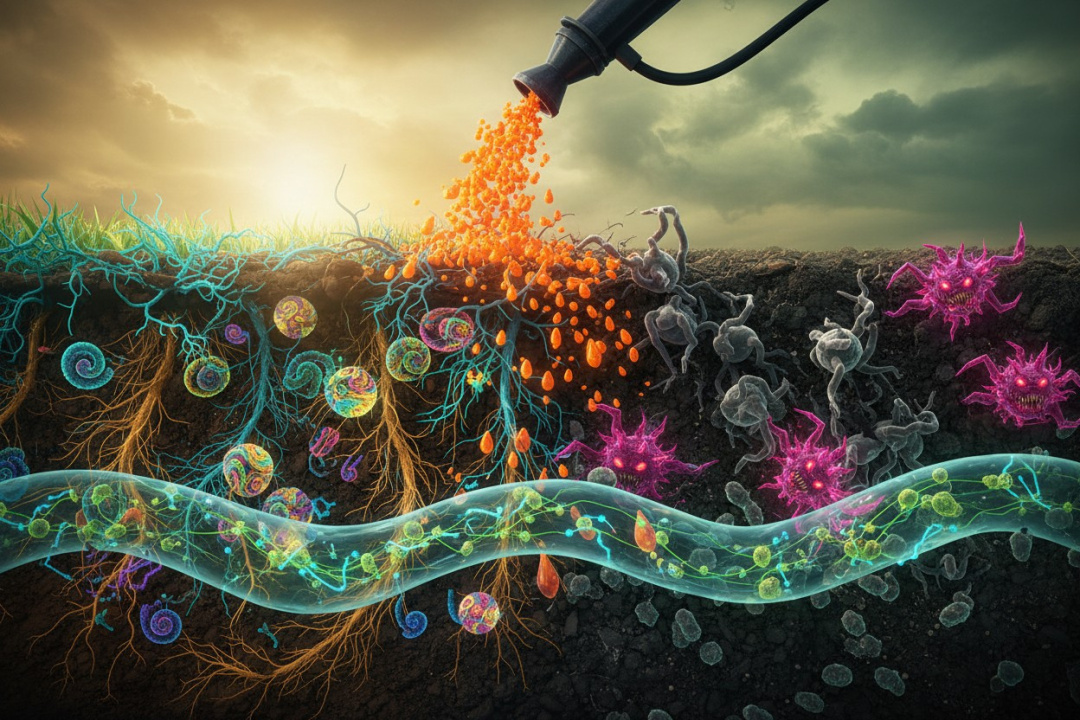
A review published in Comparative Biochemistry and Physiology Part C: Toxicology & Pharmacology has revealed alarming connections between chronic pesticide exposure and the development of antimicrobial resistance (AMR). The authors, led by D. Leena, argue that prolonged use of pesticides can lead to multidrug resistance (MDR) through a variety of interconnected mechanisms. These include genetic mutations, horizontal gene transfer, and biochemical adaptations that enable microbes to survive exposure to antibiotics. The review highlights that such resistance not only alters the microbial community structure but also facilitates the spread of antibiotic resistance genes (ARGs), which can impair essential ecosystem functions.
The findings indicate that chronic exposure to pesticides, particularly glyphosate, has been linked to the proliferation of multidrug-resistant bacteria, including those responsible for serious hospital-acquired infections. This is particularly concerning given that pesticide resistance in pests often evolves through similar mechanisms, leading to a cycle of increased chemical use in agriculture, known as the "pesticide treadmill."
The review outlines that glyphosate-resistant weed species have emerged due to mutations that render the herbicide ineffective, prompting farmers to seek additional herbicides, which can further exacerbate the issue of resistance. The implications of this are significant, as the use of glyphosate and other pesticides can lead to resistance in over 700 insect species, as noted by the Food and Agriculture Organization.
Moreover, the researchers emphasize that pesticide exposure can drastically alter microbial populations, fundamentally changing their diversity and composition. Microbes play vital roles in nutrient cycling, organic matter decomposition, and maintaining soil and water health. When pesticides enter ecosystems, they can kill sensitive species and create conditions that favor the rapid emergence of resistant strains.
The review identifies three main functional disruptions caused by pesticide exposure: taxonomic dysbiosis, signaling disruption, and metabolic accumulation. Taxonomic dysbiosis refers to the significant reduction of essential symbiotic microbes, such as arbuscular mycorrhizal fungi, which are crucial for plant nutrient uptake. Signaling disruption occurs when pesticide residues interfere with microbial communication necessary for various ecological processes. Metabolic accumulation involves the buildup of toxic metabolites due to the inhibition of sensitive microbes, which can further degrade soil quality.
The review also points out that organisms are often exposed to mixtures of pesticides rather than isolated chemicals, which can induce oxidative stress and enhance the transfer of resistance genes among bacteria. Glyphosate, in particular, has been shown to alter bacterial susceptibility to critical antibiotics and disrupt gut microbiomes, potentially leading to generational effects.
The authors warn that agricultural systems using wastewater containing both pesticide residues and antibiotics increase the risk of transferring resistance genes from environmental microorganisms to clinical pathogens, posing a serious threat to human health. Antimicrobial resistance is already responsible for an estimated 1.1 to 1.4 million deaths annually worldwide, making it a pressing public health concern.
In light of these findings, the review advocates for a transition to organic farming practices as a means to reduce reliance on petrochemical pesticides and synthetic fertilizers. Such practices not only support soil health but also mitigate the promotion of resistance in the environment. Research indicates that organic meat is less likely to be contaminated with multidrug-resistant bacteria compared to conventionally produced meat, underscoring the potential benefits of organic agriculture for public health.














