Systematic Review Links Daily Nut Intake to Reduced Hypertension Risk
A systematic review and meta-analysis published on August 4 in the British Journal of Nutrition has found that eating approximately one ounce of nuts daily is associated with a 20% lower risk of developing hypertension. This analysis included data from eight prospective studies involving a total of 143,380 adults aged between 18 and 87. Throughout the follow-up period, researchers identified 20,665 cases of hypertension among participants. However, the authors caution that because the studies were observational, the results do not definitively prove that nut consumption directly prevents high blood pressure.
These findings contribute to a growing body of research linking nut consumption with a reduced risk of cardiovascular diseases. Previous studies examining the relationship between nuts and hypertension have yielded mixed results, making this new analysis particularly noteworthy.
Hypertension is a prevalent condition in the United States, with a report from the Centers for Disease Control and Prevention indicating that about 70 million adults, or roughly one in three, are affected. Alarmingly, only 52% of those diagnosed have their blood pressure under control.
The analysis indicates that individuals who consume the most nuts have a 16% lower risk of developing hypertension compared to those who consume the least. Specifically, a daily intake of about 30 grams of nuts correlates with a 26% lower risk compared to those who do not consume nuts at all. Interestingly, the study found no evidence that consuming nuts in higher amounts further reduces this risk.
This dose-response relationship aligns with broader dietary research, particularly the DASH diet, which was originally developed to lower blood pressure without medication. The DASH diet emphasizes the consumption of fruits, vegetables, whole grains, fish, nuts, seeds, and lean meats while advocating for reduced sodium intake. The new findings provide additional context to this eating pattern, although the authors note that the observational design of the studies limits the strength of their conclusions.
Nuts are rich in various nutrients, including fiber, unsaturated fats, magnesium, potassium, B vitamins, and plant-based proteins, all of which may contribute to maintaining healthy blood pressure levels. For instance, almonds are recognized for their high nutrient density, providing significant amounts of vitamin E, manganese, and magnesium. Magnesium is particularly important for heart, kidney, and muscle health, while potassium plays a crucial role in regulating blood pressure, water retention, muscle activity, and proper cell function.
Experts not involved in the study suggest that specific nutrients in nuts may influence blood pressure through various mechanisms. For example, magnesium can act as a natural calcium channel blocker, aiding in the relaxation and widening of blood vessels, a process known as vasodilation. Additionally, potassium may help mitigate sodium's effects and reduce tension in blood vessel walls.
Dietitians have pointed out that walnuts, peanuts, and almonds contain higher amounts of L-arginine, which acts as a vasodilator and may positively affect blood pressure. Furthermore, pistachios have been highlighted for their potential to modestly lower systolic blood pressure, likely due to their potassium content, unsaturated fats, fiber, and antioxidant compounds.
While the findings are promising, experts urge caution in interpreting them. As noted by dietitian Michelle Routhenstein, the observational nature of the studies means that it cannot be concluded that nut consumption directly causes a lower risk of hypertension. Instead, nuts should be viewed as a beneficial component of an overall heart-healthy dietary pattern.
Both dietitians recommend opting for unsalted or lightly salted nuts to manage sodium intake, which is critical for blood pressure control. They also advise against heavily sugar-coated or candy-coated nuts, as well as highly processed snack mixes that combine nuts with pretzels or crackers, which can be high in sodium.
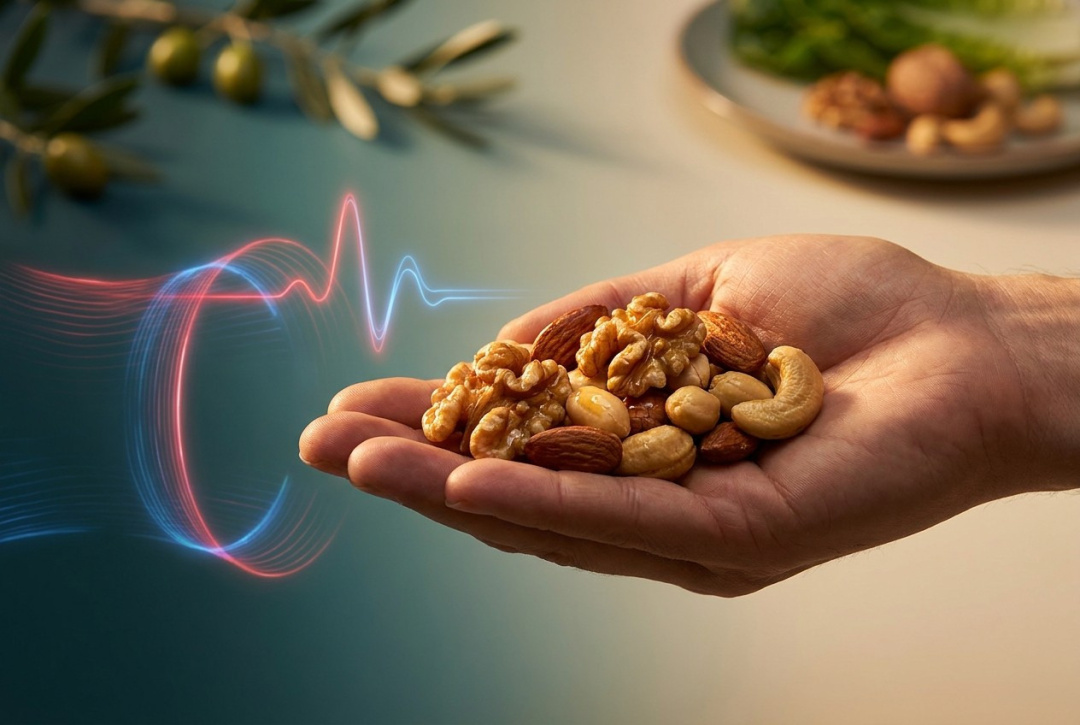
Portion size is another important consideration, as nuts are calorie-dense. A common recommendation is to aim for about one ounce, or a small handful, at a time.
While some research has explored the mechanisms by which nuts may support healthy body weight maintenance, the overarching goal of a heart-healthy diet should focus on an overall eating pattern that promotes cardiovascular health rather than fixating on any single 'superfood.'
In conclusion, the analysis reinforces the idea that nuts can be integrated into a dietary pattern associated with lower hypertension risk, although it does not establish a direct cause-and-effect relationship. Dietary guidelines from various organizations also support the inclusion of nuts and seeds within broader eating patterns, emphasizing that no single food or meal can singularly lower cholesterol or blood pressure. For individuals looking to manage their blood pressure through diet, the research suggests making consistent, modest changes rather than relying on one specific nutrient or food.