Examining Health Challenges Across Generations: From Chronic Diseases to Mental Health
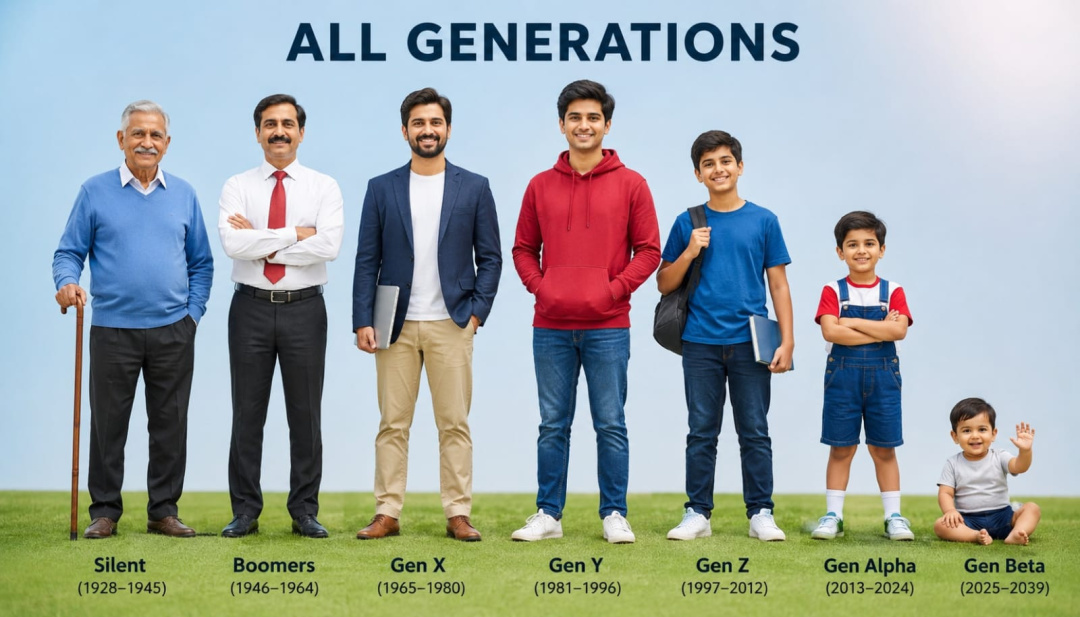
Health challenges change significantly across the life course, affecting individuals differently based on their generational cohort. Older generations, such as the Silent Generation and Baby Boomers, are more likely to confront chronic diseases, mobility issues, and age-related conditions. In contrast, younger generations, including Millennials and Gen Z, increasingly face mental health pressures, sedentary lifestyles, obesity, and challenges associated with technology use.
The classifications of generations—such as Silent Generation, Baby Boomers, Gen X, Millennials, Gen Z, Gen Alpha, and Gen Beta—serve as social descriptors rather than strict medical categories. Individual health risks are influenced by a combination of genetics, lifestyle choices, environmental factors, socioeconomic status, access to healthcare, and pre-existing health conditions.
For the Silent Generation, who are now predominantly in advanced old age, healthcare priorities often revolve around managing multiple chronic conditions while striving to maintain independence. Common health concerns for this group include heart disease, diabetes, arthritis, osteoporosis, hearing and vision impairments, falls, frailty, depression, and dementia. The World Health Organization (WHO) notes that older adults frequently experience conditions such as hearing loss, cataracts, and osteoarthritis, and emphasizes the importance of addressing falls and frailty as significant geriatric issues. Regular medical reviews, appropriate physical activity, balanced nutrition, vaccinations, medication management, and social connections are vital for promoting healthy aging.
Baby Boomers, now largely in their 60s and older, face similar health challenges, with a focus on the prevention and effective management of chronic diseases. Health concerns for this generation include high blood pressure, cardiovascular disease, diabetes, cancer, obesity, joint issues, and respiratory illnesses. Risk factors such as tobacco use, poor dietary habits, physical inactivity, and harmful alcohol consumption contribute to the prevalence of noncommunicable diseases. Maintaining an active lifestyle and undergoing age-appropriate health screenings are essential for early problem identification.
Generation X is currently navigating middle age, a critical period for preventing future health complications. Factors such as long working hours, stress, insufficient exercise, poor sleep, unhealthy eating habits, and prolonged periods of sitting can lead to high blood pressure, obesity, diabetes, heart disease, and mental health challenges. This generation can benefit from viewing midlife as an opportunity for prevention rather than waiting for serious symptoms to arise. WHO highlights that physical inactivity raises the risk of several noncommunicable diseases, while regular activity is linked to better cardiovascular, metabolic, and mental health.
Millennials, now primarily in their late 20s to mid-40s, face health risks exacerbated by modern work and lifestyle patterns. Work-related stress, anxiety, sleep disturbances, sedentary behavior, weight gain, and poor dietary choices are prevalent issues. The global rise in obesity is a significant concern, with WHO reporting that adult obesity has more than doubled worldwide since 1990. For Millennials, establishing sustainable habits around exercise, sleep, nutrition, and preventive healthcare is crucial for reducing health risks in the future.
For Generation Z, mental health emerges as a critical area of concern. Factors such as academic pressure, employment uncertainty, social comparison, cyberbullying, and evolving social relationships contribute to anxiety, depression, stress, sleep difficulties, and other mental health challenges. WHO estimates that one in seven individuals aged 10–19 globally experiences a mental health condition, with depression, anxiety, and behavioral disorders being among the leading causes of illness and disability in this age group. Physical health remains important, as low physical activity levels, unhealthy diets, and obesity can set the stage for chronic diseases early in life.
Generation Alpha is growing up in an environment dominated by smartphones, tablets, streaming platforms, and online education. Health challenges for this generation may include childhood obesity, insufficient physical activity, sleep disruptions, poor dietary habits, emotional difficulties, and excessive sedentary time. WHO recommends healthy eating, adequate physical activity, and good sleep habits during childhood, along with limiting sedentary behavior and screen time. Parents, schools, and healthcare professionals play a vital role in creating balanced routines that prioritize health alongside academic performance and technology skills.
Generation Beta, representing children born from 2025 onward, is still emerging, making it premature to define their health profile. However, children in this generation may face familiar childhood concerns, including nutrition, physical inactivity, and mental well-being, alongside new issues arising from technological advancements and changing environments. It is essential to avoid presenting predictions about Generation Beta as established medical facts, as their health outcomes will be significantly influenced by future living conditions, healthcare access, nutrition, technology use, climate, and social contexts.
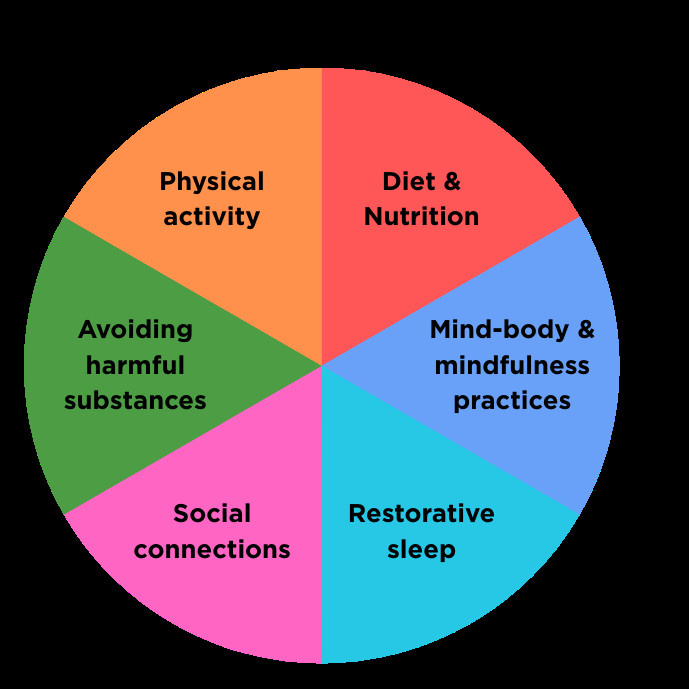
Despite the differing health challenges across generations, many risk factors are shared. WHO identifies tobacco use, physical inactivity, unhealthy diets, harmful alcohol use, and air pollution as significant contributors to noncommunicable disease risk, affecting individuals of all ages. Physical activity is particularly beneficial throughout life, as regular exercise is associated with improved physical and mental health across all age groups, while inactivity correlates with heightened health risks. There is no singular definition of a "healthy generation"; each cohort faces unique challenges that require tailored approaches to health and wellness. The Silent Generation may need to focus on mobility and chronic conditions, Baby Boomers on preventive care, Gen X and Millennials on midlife risks, Gen Z on mental health, and Gen Alpha on navigating a digital world.