Warnings Issued on Glutathione Supplement for Firefighters Exposed to Toxic Smoke
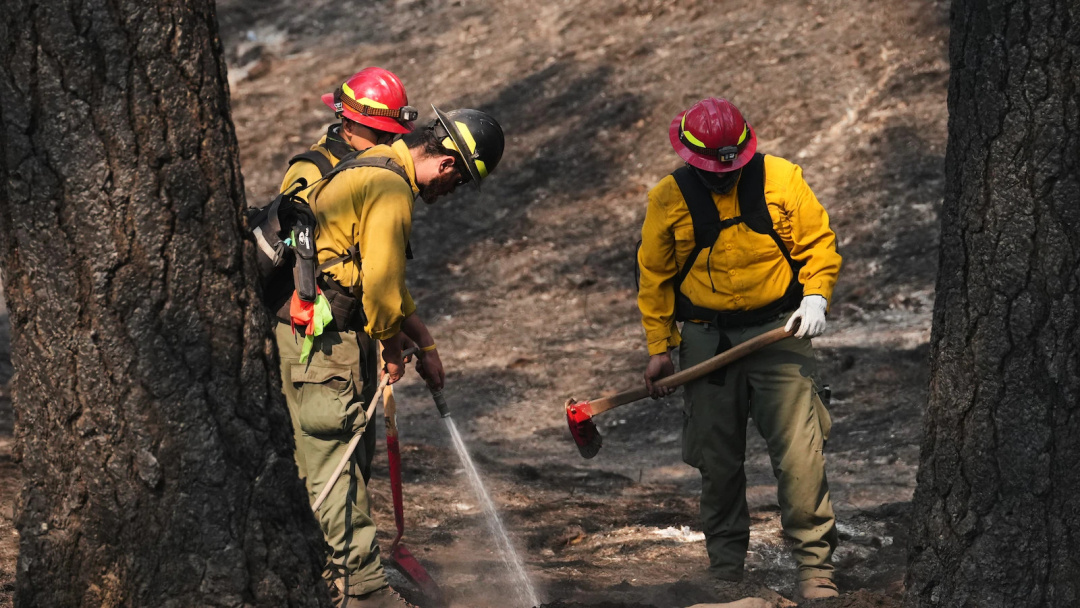
Fire and medical officials are cautioning against the use of glutathione supplements offered to Western wildland firefighters who have been exposed to toxic chemicals during firefighting efforts. This warning comes as firefighters face increasing health risks from smoke exposure, particularly during intense wildfires that have devastated areas like Spokane, Washington. Glutathione, which can be administered through an IV or a nebulizer, has not been proven safe or effective, and experts warn that it could lead to illness if contaminated during production.
In August, at least two pharmacies recalled the supplement after bacterial contamination was detected in their labs. Reports from these pharmacies indicated that some individuals experienced symptoms such as fever, chills, and severe headaches after using the product. The International Association of Firefighters (IAFF), representing around 360,000 first responders, issued a safety advisory emphasizing that glutathione is not an FDA-approved drug and that consumers should be wary of its safety and claims regarding its ability to treat or prevent diseases.
Despite the lack of evidence supporting the use of glutathione, some firefighters claim it has helped them feel better after exposure to toxic smoke. During recent firefighting operations, medical unit leaders from California encouraged crews to visit a tent run by a nonprofit organization, The Integrative Health Action Network, which has been providing the supplement to firefighters since its involvement began after the 2017 wildfires in California.
Concerns have been raised about the health claims associated with glutathione, prompting physicians and IAFF members to express their worries regarding its promotion without sufficient research backing. Sean DeCrane, IAFF's assistant to the general president for health and safety, noted that some firefighters reported feeling worse after treatment with the supplement. He emphasized the need for thorough evaluation and testing of any medical treatments marketed to firefighters to avoid unintended health consequences.
In response to the advisory, Jen Riegle, a naturopathic doctor and co-founder of The Integrative Health Action Network, acknowledged the necessity for peer-reviewed research to determine whether glutathione can effectively reduce chemical burdens in firefighters. She indicated that the organization is actively seeking partnerships to explore this further.
The health impacts of inhaling wildfire smoke are becoming increasingly evident, with tens of thousands of deaths in the U.S. attributed to long-term exposure. Firefighters often work in conditions that prevent the use of respirators, leaving them vulnerable to a range of harmful chemicals. Pasadena Fire Captain Matt Caffey, who has extensive experience as a paramedic, described the debilitating effects of smoke exposure, including cognitive impairment and physical symptoms.
While some firefighters advocate for the use of glutathione, experts caution that anecdotal evidence does not equate to scientific proof. Dr. Cora Sack, a pulmonary specialist, highlighted the need for clinical evidence to support the supplement's efficacy. She noted that glutathione, an antioxidant produced in the liver, may have biological plausibility in countering oxidative stress caused by wildfire smoke, but its use should not be endorsed without clear evidence.
Furthermore, the method of administration poses risks, particularly for individuals with asthma or chronic lung conditions, as nebulized glutathione could constrict airways. Contamination during production can lead to severe adverse reactions, including fevers and anaphylactic shock, underscoring the importance of safety in any medical treatment offered to firefighters. Luke Montrose, a professor at Colorado State University, echoed these concerns, expressing hesitation about glutathione's use due to the lack of comprehensive studies.