Class Action Lawsuit Challenges Oura's Sleep Tracking Accuracy Claims

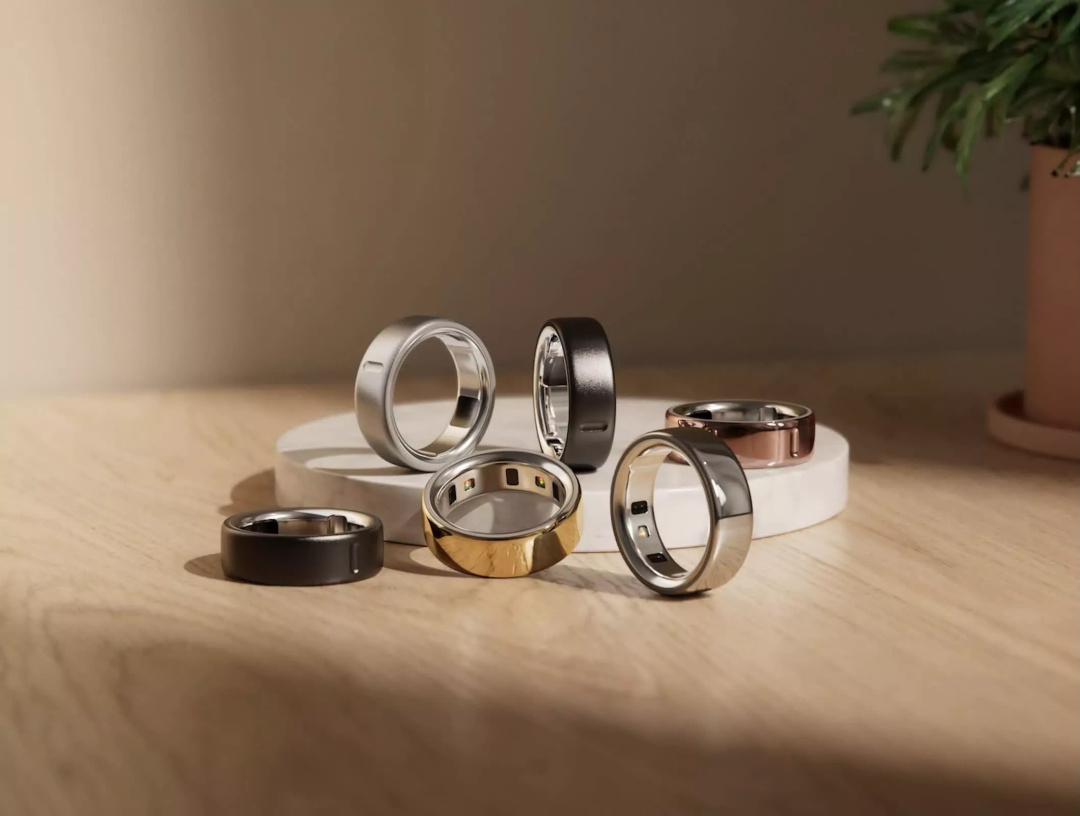
A proposed class action lawsuit has been filed in San Francisco against Oura Health Oy, the parent company of Oura Inc., claiming that the company's sleep tracking technology does not deliver on its advertised accuracy. The lawsuit specifically challenges Oura's assertion of '95% Sleep Staging Accuracy compared to clinical sleep lab,' arguing that such claims cannot be substantiated by the technology's design. The complaint emphasizes that a finger-worn device like the Oura ring lacks the necessary tools to measure brain activity, eye movement, and muscle tone, which are critical components of polysomnography, the gold standard in sleep studies.
The lawsuit's language is pointed, describing Oura's sleep stage classifications as 'AI-generated guesses' with only a 'coin flip's chance' of being accurate. This assertion is backed by a cited study involving 45 patients, which found that the overall accuracy for sleep stage classification was only 53.18%, with REM sleep being overestimated by an average of 31.56 minutes.
In response to the allegations, Oura has defended its technology, stating, 'We stand behind our science, research, and accuracy claims.' The company highlights that its sleep staging technology has been favorably compared to polysomnography in multiple studies, suggesting that the claims made in the lawsuit misrepresent the capabilities of their product.
The lawsuit includes seven counts, such as fraud by misrepresentation and violations of California's Unfair Competition Law and False Advertising Law. It seeks damages as well as a corrective advertising injunction that would require Oura to include prominent disclaimers regarding its accuracy claims.
This legal action comes at a time when Oura is preparing for a US initial public offering, having recently reached an $11 billion valuation, making it Europe's most valuable consumer health hardware company. The implications of this lawsuit extend beyond the United States, as the same accuracy claims are marketed to European consumers, where regulations prohibit misleading claims about product characteristics. The recent introduction of the Representative Actions Directive in the EU allows consumer bodies to pursue collective redress actions, which could impact Oura's marketing practices across Europe.
As the case unfolds, it will be essential to monitor how it may influence consumer perceptions of the Oura ring and the broader market for sleep tracking technologies.