Dopamine Disruption in Rats Reveals Distinction Between Pleasure and Desire
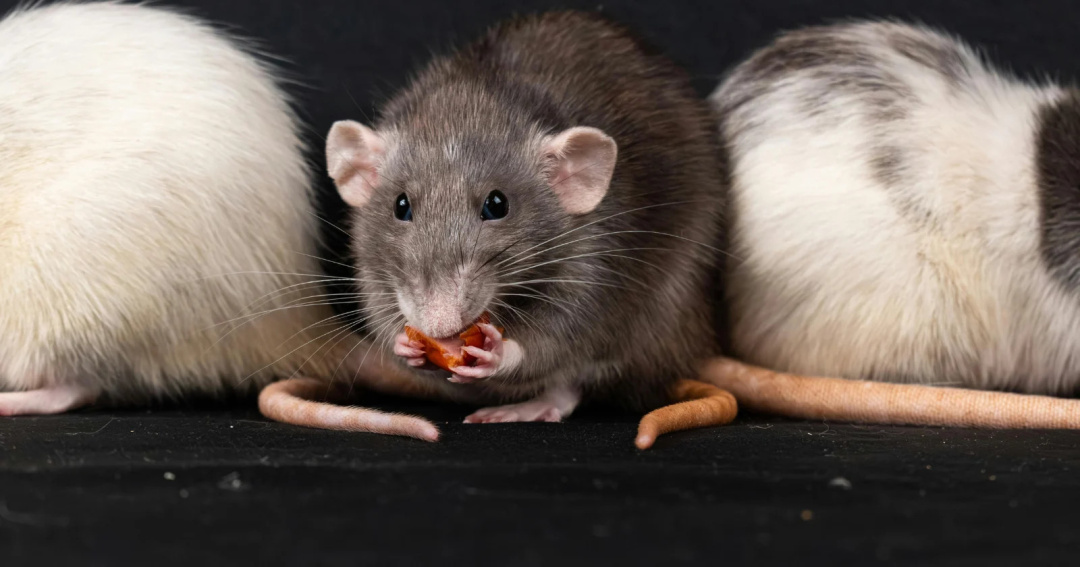
In a recent study, researchers have demonstrated that even when dopamine levels are severely disrupted, rats can still exhibit pleasure when consuming sweet foods, suggesting a complex relationship between dopamine and the experience of enjoyment. Conducted by Kent Berridge and Terry Robinson at the University of Michigan, the study involved using a neurotoxin to eliminate up to 99 percent of dopamine in specific brain regions of rats. Despite this drastic reduction, the rats displayed typical facial reactions to sucrose, a sugar solution, indicating that their ability to experience pleasure remained intact. However, their motivation to seek out the sugar diminished significantly, as they showed little interest in consuming it when left alone in their cages.
Further investigations by Claire Cannon and Richard Palmiter at the University of Washington involved breeding mice that were genetically incapable of producing dopamine. Their findings, published in the Journal of Neuroscience, revealed that these mice still preferred sweet substances like sucrose and saccharin over plain water, challenging the notion that the desire for sweetness is solely driven by energy needs. However, these dopamine-deficient mice initiated drinking bouts less frequently and consumed fewer sips compared to normal mice, highlighting the role of dopamine in motivating behavior rather than in the enjoyment of the reward itself.
In contrast, other studies have shown that increasing dopamine levels can enhance the motivation to seek rewards without necessarily increasing the pleasure derived from them. For instance, research led by Susana Peciña demonstrated that mutant mice with elevated dopamine levels reached sweet rewards more quickly but did not show increased facial reactions of liking towards the sweetness.
This distinction between 'wanting' and 'liking' has significant implications for understanding addiction and cravings. As noted by John Salamone and Mercè Correa, the traditional view of dopamine as a reward signal may be oversimplified. Their research suggests that dopamine is more involved in behavioral activation and effort exertion, while the actual experience of pleasure may be governed by different neural mechanisms located in specific brain regions known as hedonic hotspots.
While these findings provide valuable insights into the neuroscience of cravings and pleasure, caution is warranted. The research remains contested, with alternative theories proposing different roles for dopamine, such as its function in updating expectations or controlling movement vigor. As the debate continues, these studies underscore the complexity of the brain's reward system and the need for further exploration in the field of food psychology and addiction.