Study Finds GLP-1 Drug Dulaglutide More Effective Than Insulin for TDT Diabetes
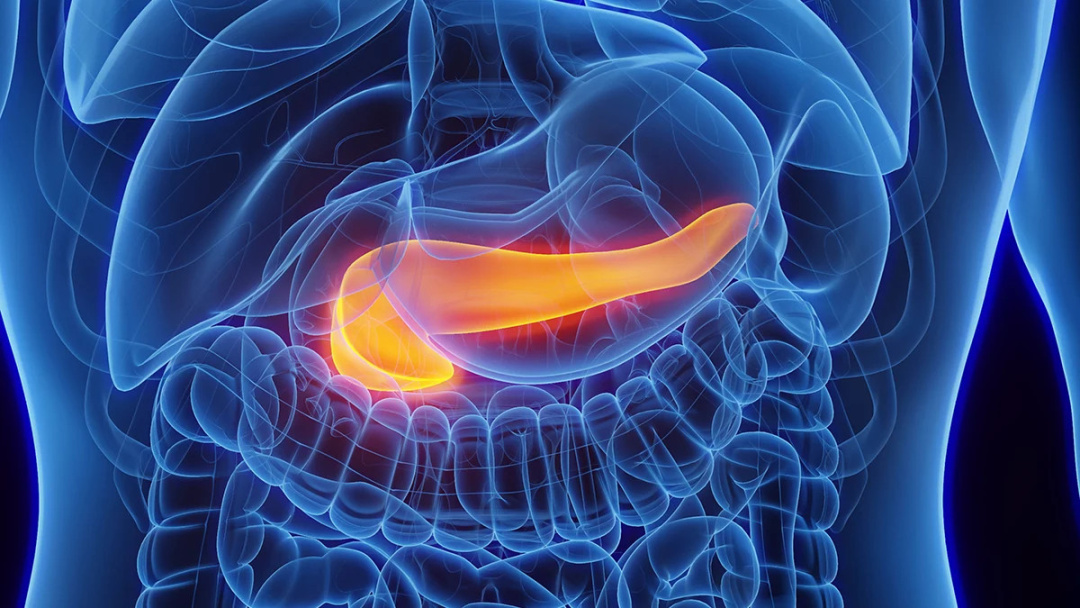
GLP-1 (glucagon-like peptide-1) drugs, while commonly associated with weight loss, were originally developed for diabetes management. Recent research has highlighted their potential in treating a rare form of diabetes linked to transfusion-dependent beta-thalassaemia (TDT), a condition where iron overload damages the pancreas, impairing insulin production. A study led by researchers from Ain Shams University in Egypt, published in Diabetologia, found that the GLP-1 treatment dulaglutide significantly outperformed standard insulin therapy across various health metrics in adolescents with TDT diabetes.
The study involved 80 participants aged 10 to 18 who were not responding to metformin, a common diabetes medication. Half of the group received weekly injections of dulaglutide, while the other half continued with daily insulin shots. Over a 24-week period, the health metrics of both groups were closely monitored. The results indicated that those on dulaglutide experienced improved glycaemic control, reduced blood sugar variability, and spent more time within healthy glucose levels. Importantly, this group did not experience significant weight gain, a common side effect associated with insulin therapy.
The researchers noted that dulaglutide also appeared to help reduce iron overload, which is particularly beneficial for TDT patients who often struggle with iron imbalances due to frequent blood transfusions. The study's authors emphasized that this research is the first of its kind to assess the efficacy of dulaglutide specifically in adolescents with TDT-induced diabetes, marking a promising step towards better management of this vulnerable population.
Dulaglutide works by mimicking the natural glucagon-like peptide-1 hormone, which helps the pancreas produce more insulin, slows digestion, and reduces glucose release from the liver. This mechanism may be particularly advantageous for TDT diabetes, as it supports the remaining insulin production capabilities rather than simply supplementing with additional insulin.
Despite the encouraging results, the researchers acknowledged that further studies are necessary to validate these findings and explore the underlying mechanisms by which GLP-1 agonists regulate blood sugar and potentially reduce iron levels. They call for larger, multicenter studies with extended follow-up to confirm the efficacy and safety of dulaglutide in this context. The study has opened new avenues for treatment options for adolescents suffering from TDT-related diabetes, offering hope for improved management of their condition.