Longevity Experts Advocate for a Shift in How We View Aging
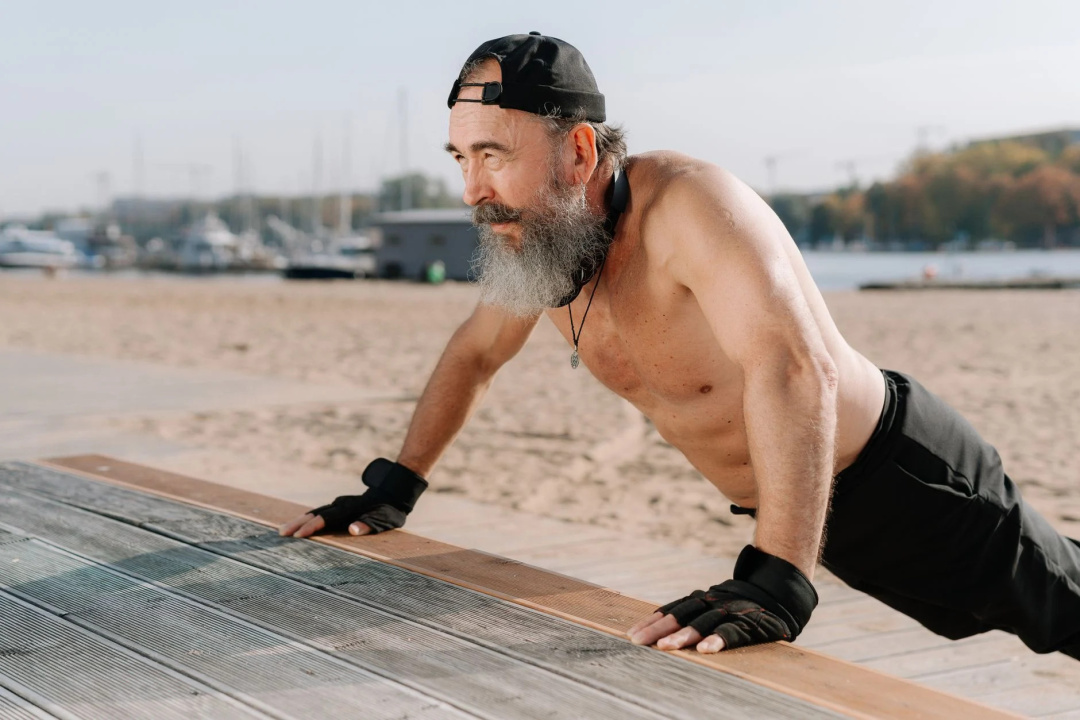
For much of history, aging has been viewed as a slow and inevitable decline, a single long slope from peak vitality to the end of life. However, longevity experts are urging a reexamination of this perspective, advocating for a focus on healthspan rather than merely lifespan. This shift emphasizes the importance of living healthily and functionally for as long as possible, rather than just counting the years. The physician Peter Attia is a prominent voice in this discussion, highlighting that the goal should not be simply to live longer but to maintain strength, mobility, and cognitive sharpness throughout life.
This concept, known as the compression of morbidity, suggests that rather than extending the period of frailty and decline, we should aim to shorten it. The idea is to maximize the healthy years of life and minimize the time spent in a state of disability. This reframing presents a more empowering view of aging, suggesting that individuals can take active steps to shape their aging experience.
A significant body of research supports this perspective, particularly in the realm of fitness. A large study conducted by the Cleveland Clinic involving over 120,000 participants found that cardiorespiratory fitness is one of the strongest predictors of survival. Those with lower fitness levels faced a mortality risk approximately five times greater than their more fit counterparts, a trend that persisted even among individuals over seventy. This evidence indicates that much of what is perceived as the inevitable decline associated with aging may actually stem from a lack of physical activity, suggesting that fitness can be cultivated at nearly any age.
Combining these two shifts in perspective—focusing on healthspan and recognizing the modifiability of aging—allows for a more nuanced understanding of the aging process. Aging can be seen not as a passive descent but as a trajectory that can be actively shaped through lifestyle choices. This message, while empowering, also places a degree of responsibility on individuals to engage in healthy behaviors throughout their lives.
However, it is crucial to approach this topic with caution. The field of longevity is rife with claims that often exceed the evidence. Many popular products and treatments marketed for anti-aging lack robust scientific backing. The proven strategies for healthy aging are often simple and familiar: regular physical activity, adequate sleep, a balanced diet, and maintaining social connections. These foundational practices are more effective than the speculative solutions frequently promoted in the longevity industry.
Moreover, not all aspects of aging are within individual control. Genetics, socioeconomic factors, and access to healthcare play significant roles in health outcomes. It is essential to avoid the trap of blaming individuals for health issues that may be beyond their control. While the evidence supporting the benefits of fitness is compelling, it is important to recognize that correlation does not imply causation, and many factors contribute to an individual's health.
In summary, the reframe offered by longevity experts suggests that aging is more malleable than previously believed. The focus should be on achieving a long, healthy life with a brief period of decline, rather than simply extending the number of years lived. The most effective tools for this are often not groundbreaking medications but rather consistent physical activity and healthy lifestyle choices, which are accessible to most people and can yield benefits even when adopted later in life. This perspective encourages a more hopeful and proactive approach to aging, moving away from the outdated narrative of an inevitable decline.