The Importance of Healthy Blood Pressure and Lifestyle Habits for Cardiovascular Wellness
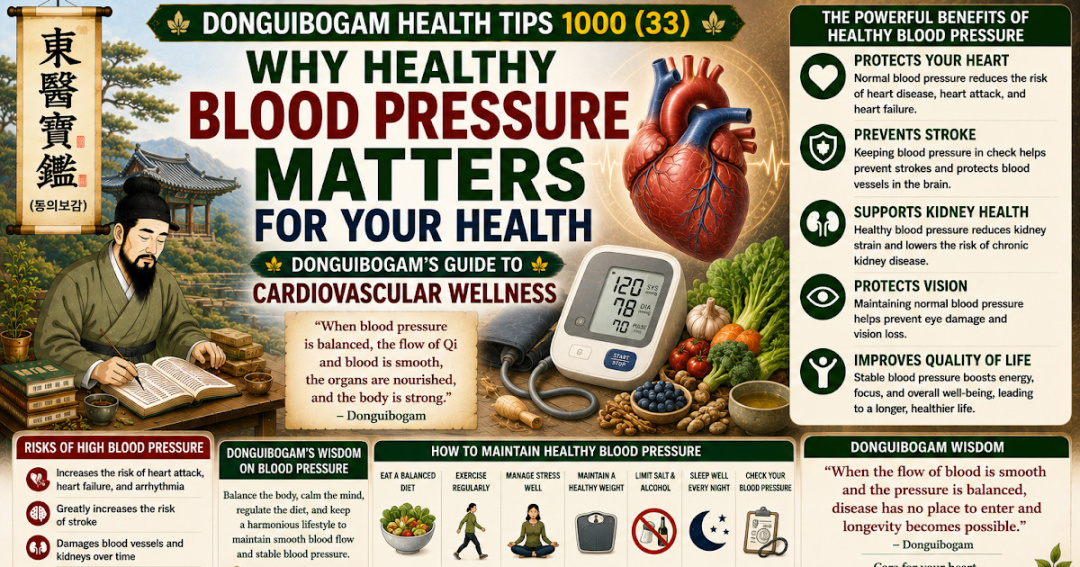
Maintaining healthy blood pressure is an essential aspect of protecting your heart, brain, kidneys, and blood vessels. According to Donguibogam, a traditional Korean medical text, principles such as balance, moderation, and consistent daily habits are vital for overall wellness. Blood pressure refers to the force of blood pushing against the walls of arteries as the heart pumps blood throughout the body. While adequate blood pressure is necessary for proper circulation, persistently elevated blood pressure can strain the heart and blood vessels, leading to serious health issues.
High blood pressure often develops without noticeable symptoms, which is why it is sometimes referred to as a 'silent' health problem. Over time, uncontrolled high blood pressure can increase the risk of cardiovascular disease, stroke, kidney disease, and other complications. Donguibogam stresses the importance of balance and moderation in maintaining health. Although traditional Korean medicine and modern medicine may utilize different frameworks, the underlying concept of avoiding excessive strain and fostering healthy daily habits is applicable to cardiovascular wellness.
A critical first step in managing blood pressure is knowing your numbers. If you have access to a validated home blood pressure monitor, it is important to follow proper measurement techniques and keep a record of your readings as recommended. For the most accurate home measurements, it is advisable to rest quietly before checking and to avoid measuring immediately after exercise, caffeine consumption, or smoking.
Diet also plays a significant role in blood pressure management. A high-sodium diet can contribute to elevated blood pressure in some individuals. Therefore, limiting highly processed foods and opting for fresh or minimally processed ingredients more frequently is beneficial. Using herbs, spices, garlic, onions, citrus, and other flavorful ingredients can help reduce reliance on excessive salt. Incorporating a variety of colorful fruits and vegetables into daily meals provides essential nutrients such as fiber and potassium.
Regular physical activity supports cardiovascular fitness and healthy blood pressure. Activities such as walking, cycling, and swimming are effective choices, and adding muscle-strengthening exercises can further enhance health. For individuals who are overweight, even modest weight loss can sometimes improve blood pressure. Focusing on sustainable changes to diet and physical activity, rather than extreme weight-loss methods, is crucial for long-term success.
Excessive alcohol consumption can also elevate blood pressure and lead to other health problems. If alcohol is consumed, moderation is key, and abstaining altogether is a healthy choice. Smoking is another factor that damages blood vessels and increases cardiovascular risk. Quitting smoking is one of the most impactful steps one can take to protect heart health.
Chronic stress and inadequate sleep can hinder the maintenance of healthy lifestyle habits. Practicing relaxation techniques, engaging in regular physical activity, and aiming for consistent, adequate sleep are important strategies. Incorporating these habits into daily routines can significantly contribute to better health outcomes.
Monitoring blood pressure regularly is essential, and it is important to sit quietly for several minutes before taking a measurement. Maintaining proper posture and using the correct cuff size are also critical for accurate readings. It is important to avoid drawing conclusions from a single reading, as blood pressure can fluctuate throughout the day due to various factors.
While lifestyle changes are important, they should not replace prescribed treatment for individuals diagnosed with hypertension. If you are taking medication for high blood pressure, do not stop or alter your medication regimen without consulting a healthcare professional. Healthy eating, exercise, weight management, and stress reduction can complement medical treatment effectively.
In emergencies, extremely high blood pressure accompanied by symptoms such as severe headache, chest pain, shortness of breath, confusion, vision changes, weakness, or difficulty speaking requires immediate medical attention. Donguibogam emphasizes balance and moderation as foundational health principles, which align with modern cardiovascular care that encourages consistent habits to alleviate unnecessary strain on the heart and blood vessels. Regular movement, balanced nutrition, appropriate sodium intake, healthy sleep, stress management, and regular blood pressure monitoring are all integral to achieving better cardiovascular health. Starting with one simple habit today, such as taking a walk or choosing a lower-sodium meal, can be a step towards protecting your heart and blood vessels through consistent, healthy choices over time.