Oura Faces Class Action Lawsuit Over Sleep-Tracking Accuracy Claims
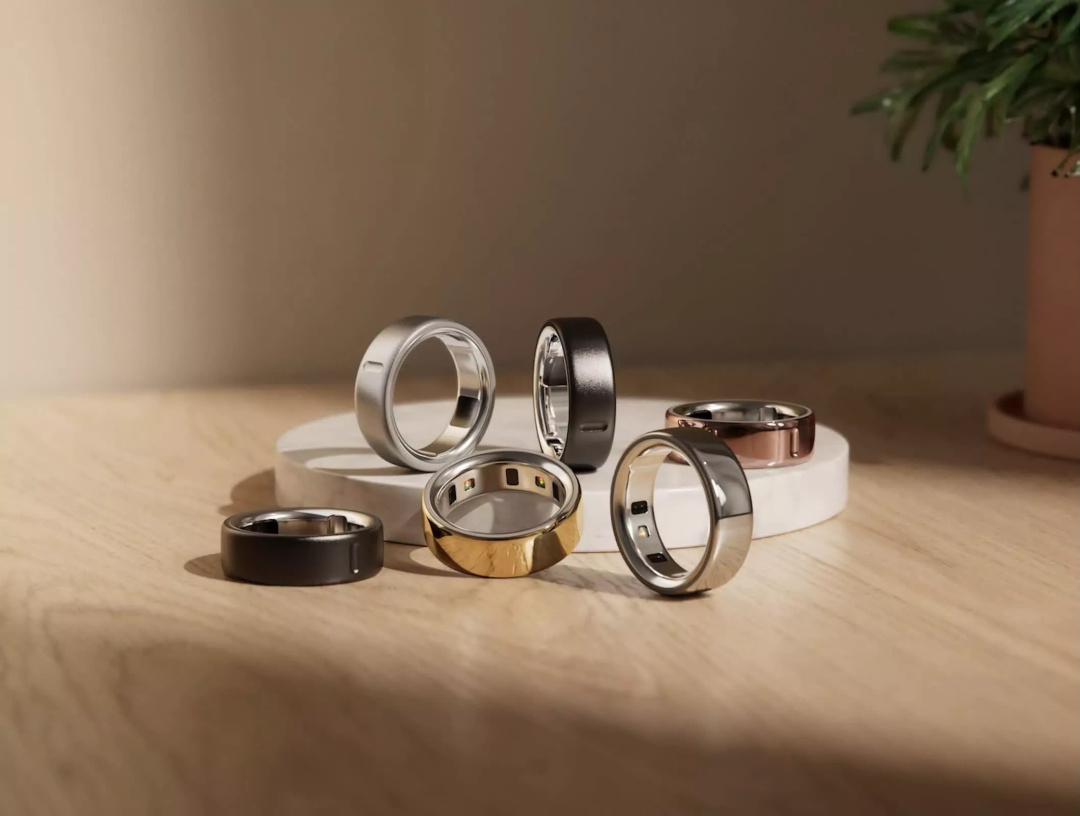
Oura is currently embroiled in a proposed class action lawsuit that challenges the accuracy of its sleep-tracking claims. The lawsuit was filed this week in San Francisco by the Clarkson Law Firm, which contends that the Oura smart ring lacks the ability to directly measure the physiological signals necessary for accurately assessing sleep quality and identifying sleep stages. Instead, the complaint alleges that the device relies on AI-generated estimates that provide only a "coin flip's chance of being correct."
The lawsuit targets a fundamental feature of the Oura ring: its purported ability to convert data collected from a user's finger into scores for sleep, readiness, and activity. The ring tracks various metrics, including heart activity and skin temperature, and processes this data through software to generate sleep reports. However, the plaintiffs argue that this method cannot match the precision of a clinical sleep study, which typically requires electrodes placed on the scalp and sensors near the eyes to accurately determine sleep stages. As stated in the complaint, "Sleep happens in the brain, not on one's finger."
Oura has marketed its ring as being "built for accuracy" and has claimed an impressive 79% accuracy in its measurements, with more recent assertions of 95% accuracy in sleep staging when compared to clinical sleep labs. However, the lawsuit asserts that these claims overstate the capabilities of a device worn on the finger, as the determination of sleep stages necessitates the specialized equipment used in clinical settings.
The plaintiffs argue that Oura's marketing creates a misleading impression that the ring can measure sleep in the same way a laboratory can, potentially leading consumers to rely on the device's reports for health-related decisions, despite the possibility that these estimates may not accurately reflect their actual sleep patterns.
This lawsuit follows a history of online complaints from Oura users who have expressed concerns regarding the accuracy of the ring's sleep reports. Some users have noted discrepancies, such as the device indicating a good night’s sleep when they felt fatigued, while others have questioned its ability to accurately identify REM and deep sleep stages.
The complaint seeks to prevent Oura from making what it describes as misleading claims about the ring's capabilities and requests restitution for consumers who purchased Oura products based on these assertions. Oura has not yet responded to requests for comment regarding the lawsuit.