Child Malnutrition Crisis in Somalia Deepens Amid Aid Cuts, UNICEF Reports
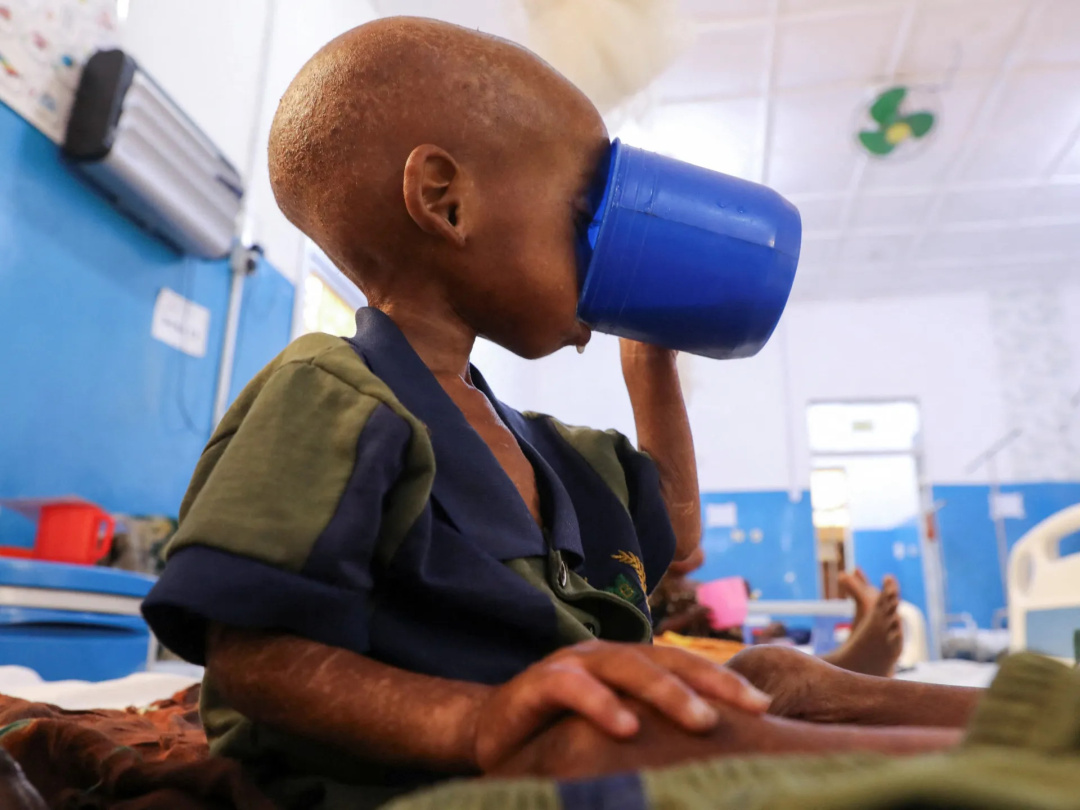
The child malnutrition crisis in Somalia is deepening as international aid cuts have resulted in the closure of more than 200 health and nutrition facilities, according to a recent report from UNICEF. In the first half of 2026, there has been a staggering 32 percent increase in the number of children admitted for treatment of severe acute malnutrition and related complications. UNICEF estimates that nearly 1.9 million children are expected to suffer from malnutrition this year.
James Elder, a spokesperson for UNICEF, highlighted the dire consequences of these aid cuts, stating that they are effectively closing doors to healthcare and nutrition services, while also limiting access to water, education, and protection for vulnerable populations. He warned that under severe funding scenarios, as many as 618 health facilities could be forced to shut down nationwide, emphasizing that this is not the time to withdraw support.
The crisis is compounded by a severe drought that has devastated livestock, ruined crops, and destroyed livelihoods across the country. Between January and April, approximately 500,000 people were displaced due to the drought, adding to the already significant number of around 3.3 million Somalis who have been uprooted. Currently, one-third of Somalia's population, which totals around 19 million, is facing severe food shortages.
Funding to combat acute malnutrition in Somalia has plummeted by more than 80 percent this year, as reported by Doctors Without Borders (MSF). This decline in support has been attributed to cuts from the United States and other Western nations, which have reduced their aid contributions. Furthermore, Somalia was notably excluded from a $2 billion global humanitarian aid pledge made by the U.S. this year, due to concerns over allegations of aid diversion and corruption.
The impact of these funding cuts has been severe, exacerbating the effects of the ongoing drought and limiting access to essential resources like water, which has seen prices quadruple in rural and pastoral areas. Additionally, rising costs for fuel and fertilizers, influenced by geopolitical tensions including the U.S.-Israel conflict with Iran, are further straining the situation. With the forecast of a record-strength El Niño climate pattern, the humanitarian crisis is expected to worsen, potentially leading to severe flooding and further complicating the already critical conditions for nearly a million children under five, adolescent girls, and women who risk losing access to vital nutrition services.