Study Links Sleep Quality and Type 2 Diabetes Prevalence in Chronic Disease Patients
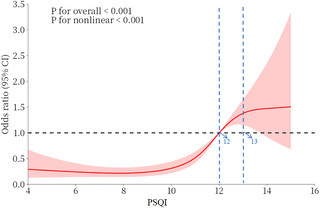
A recent cross-sectional study published in PLOS One explores the intricate relationship between sleep quality and the prevalence of type 2 diabetes (T2D) among patients with chronic diseases. Conducted by researchers from Shanghai Jian Qiao University and Zhangjiang Community Healthcare Center, the study aims to provide insights that could inform clinical practice regarding diabetes management. The research involved a cohort of 902 community-dwelling patients, of which 565 were diagnosed with T2D, accounting for approximately 62.64% of the sample.
Participants' sleep quality was assessed using the Pittsburgh Sleep Quality Index (PSQI), which revealed an average score of 11.11, indicating generally poor sleep quality. The study employed logistic regression analyses and restricted cubic spline regression to investigate the potential nonlinear relationship between sleep quality and T2D prevalence. Results indicated a positive association between higher PSQI scores and increased prevalence of T2D, with significant findings emerging when PSQI scores exceeded 12. At this threshold, the odds ratio (OR) for developing T2D increased with higher PSQI scores, suggesting a growing risk. Interestingly, when the PSQI score reached 13, the OR stabilized, indicating that the rate of risk increase slowed.
These findings underscore the critical role of sleep quality in the prevalence of T2D, suggesting that community health practitioners should consider sleep assessments as part of routine care for patients with chronic conditions. The authors advocate for targeted interventions to improve sleep quality among individuals with PSQI scores of 12 or higher, as this may help reduce the prevalence of T2D in this high-risk population.
The study highlights the importance of understanding the complex interactions between sleep and metabolic health, particularly in patients with chronic diseases who may experience compounded health risks. As the global prevalence of T2D continues to rise, particularly in populations with chronic health issues, addressing sleep quality could be a valuable component of preventative strategies and management protocols. This research adds to the growing body of evidence linking sleep disturbances to metabolic disorders and emphasizes the need for further studies to explore these relationships in greater depth, particularly using advanced statistical methodologies that can capture the nuances of these associations.