Nutrient Cycling and Soil Stoichiometry Changes During Forest Restoration in Yunnan
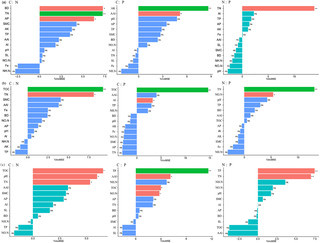
A recent study published in PLOS One explores the intricate relationship between forest restoration and nutrient cycling in the fragile ecosystems of southwestern China. The research, conducted in Huize County, Qujing, Yunnan Province, focuses on the changes in soil carbon (C), nitrogen (N), and phosphorus (P) stoichiometry as ecosystems recover from degradation. The study examined three distinct forest types along a restoration gradient: Pinus yunnanensis forest, mixed conifer-broadleaf forest, and secondary evergreen broadleaved forest. Soil samples were collected from various depths, and advanced statistical methods were employed to analyze the stoichiometric characteristics and regulatory mechanisms at play.
The findings revealed that soil organic carbon and total nitrogen were the primary factors influencing soil stoichiometry across these forest types. Interestingly, the effects of soil depth, iron and aluminum oxides, pH, and nutrient fractions varied depending on the restoration stage. In the Pinus yunnanensis forest, available potassium and aluminum were significant predictors of C:P ratios, while total nitrogen was crucial for N:P ratios. In contrast, the mixed conifer-broadleaf forest showed total organic carbon as the main predictor for C:P and C:N ratios, with nitrogen fractions playing a strong role in regulating N:P variation. The evergreen broadleaved forest exhibited a more complex interplay, with C:P ratios influenced by total phosphorus, available aluminum, and nitrate nitrogen, while N:P ratios were predominantly governed by total phosphorus and nitrogen.
The study emphasizes that as forest restoration progresses, the explanatory power of environmental variables increases, indicating a shift from physical constraints to more complex biogeochemical interactions. This transition underscores the importance of understanding how nutrient cycling and soil stoichiometry evolve during ecological recovery. The research highlights the critical role of forest restoration in enhancing plant-soil nutrient associations, which is vital for maintaining ecosystem stability and resilience in these ecologically fragile regions.
Overall, this study contributes valuable insights into the dynamics of nutrient cycling and soil health in restored forest ecosystems, emphasizing the need for continued research in this area to inform effective restoration practices.














