New Insights into the Nutritional Benefits of Potatoes and Their Health Impact
For many years, potatoes have been unfairly categorized as unhealthy due to their association with fried foods. However, recent findings from a long-term study involving over 205,000 American adults have shed new light on the nutritional benefits of potatoes. The research indicates that while consuming French fries is linked to a 20% increase in the risk of type 2 diabetes when eaten three times a week, baked, boiled, and mashed potatoes do not show a significant increase in diabetes risk. This suggests that the preparation method, rather than the potato itself, plays a crucial role in their health impact.
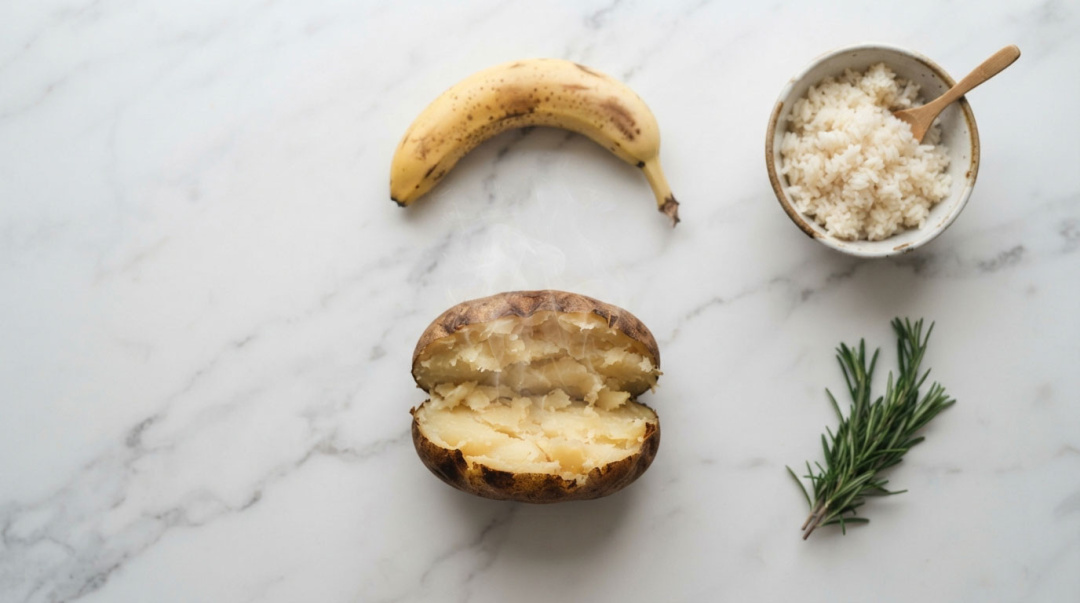
Potatoes are rich in potassium, providing 620 mg per medium skin-on potato, which is more than a medium banana's 422 mg, and they offer approximately 30% of the daily value for vitamin C. Additionally, potato protein has a high biological value, close to that of eggs, making it a valuable source of plant-based protein. Research has shown that boiled potatoes can keep individuals feeling fuller than other common carbohydrates, such as bread and rice, due to their high satiety index.
The health benefits of potatoes extend beyond their basic nutritional profile. For instance, chilling cooked potatoes can convert some of their starch into resistant starch, which behaves like fiber and can contribute to gut health. Furthermore, studies have indicated that certain varieties, such as purple potatoes, may help lower blood pressure in individuals with hypertension.
Despite their positive attributes, it is essential to note that cooking methods significantly affect the healthfulness of potatoes. Deep frying transforms them into a less healthy option, while methods like baking or boiling preserve their nutritional benefits. The potato's reputation has suffered due to misconceptions about its health effects, often overshadowed by the unhealthy preparations commonly associated with it.
Nutritional comparisons reveal that potatoes can be a better source of potassium and vitamin C than other starchy foods, such as rice or bread. This is particularly important as many Americans do not meet the recommended daily intake of potassium. Therefore, promoting whole food sources like potatoes, especially when prepared healthily, can help address public health concerns related to potassium deficiency.
In conclusion, the potato is a nutrient-rich food that, when prepared correctly, can offer numerous health benefits. Understanding the impact of cooking methods and the nutritional content of potatoes can help individuals make informed dietary choices that support their health and well-being.