Study Links Higher Antioxidant Intake to Reduced Risk of Cervical Cancer

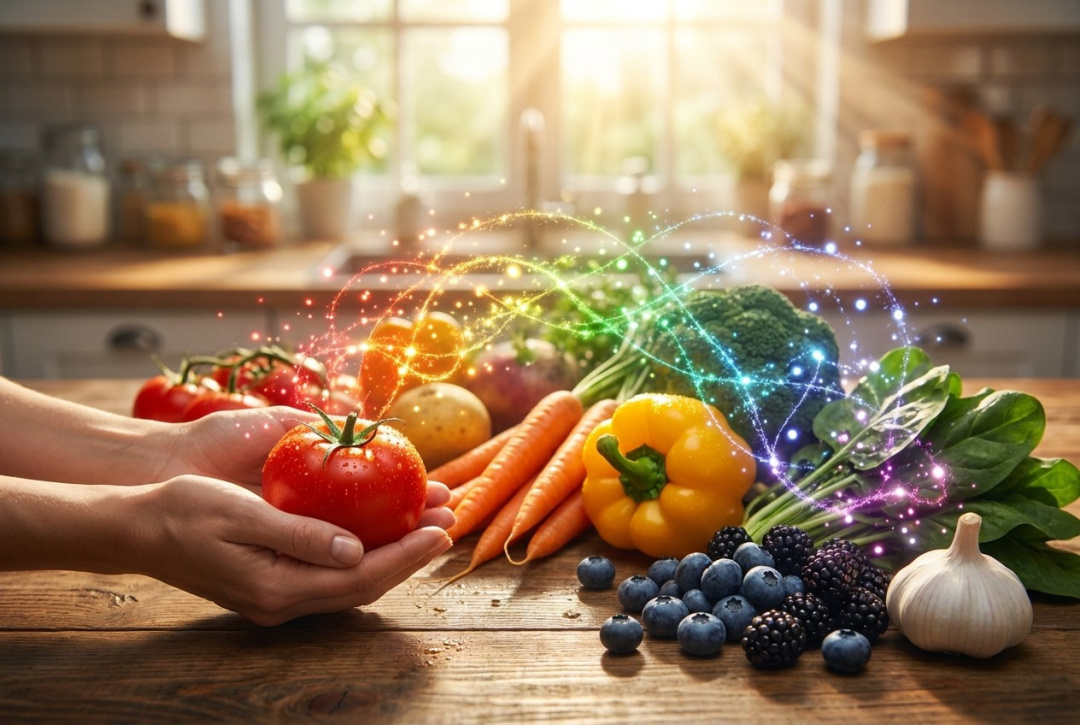
A recent study has found that women who consume higher amounts of dietary antioxidants may have a reduced risk of cervical cancer. While the primary recommendations for preventing cervical cancer include receiving the HPV vaccine and maintaining regular screenings, this research adds another layer to understanding how diet can influence health outcomes. The study analyzed data from 1,044 women collected through the National Health and Nutrition Examination Survey between 2003 and 2018. Of these participants, 174 reported a history of cervical cancer, while 870 served as a comparison group. Researchers assessed each woman's diet using the Composite Dietary Antioxidant Index (CDAI), which scores antioxidant intake based on six key nutrients: vitamins A, C, and E, selenium, zinc, and carotenoids, derived from a 24-hour dietary recall. The findings revealed that for each one-point increase in antioxidant score, there was an associated 11.4% decrease in the prevalence of cervical cancer. Notably, women in the highest third of antioxidant scores exhibited a 55.8% lower prevalence of cervical cancer compared to those in the lowest third. This relationship was linear, indicating that even small increases in antioxidant intake could correlate with lower cancer prevalence. The study also noted that women with a history of cervical cancer were more likely to smoke, be obese, and live alone, factors that were adjusted for in the analysis. This aligns with existing research that identifies smoking and obesity as significant risk factors for various cancers. It is important to note that the study provides an association rather than establishing a direct cause-and-effect relationship, prompting researchers to call for further long-term studies to explore this connection more deeply. Antioxidants are known to neutralize free radicals, which can cause oxidative stress and inflammation, both of which are linked to the progression of persistent HPV infections into cancer. The study emphasizes that a diet rich in antioxidants may help mitigate oxidative stress, thereby supporting cervical health. The antioxidants contributing to the CDAI score are commonly found in everyday foods. The research focused on dietary intake rather than supplements, indicating that any increase in antioxidant-rich foods—such as berries, leafy greens, and colorful vegetables—can positively impact health. Importantly, the study suggests that variety in food choices is more beneficial than sheer volume, encouraging individuals to incorporate a range of antioxidant sources into their diets. While antioxidants should not replace the HPV vaccine or routine screenings, they may serve as an additional preventive measure against cervical cancer. Individuals concerned about cervical cancer are advised to ensure they are up to date with vaccinations and screenings while also considering their dietary habits as part of their overall health strategy.