Understanding Hair Loss: Health Signals and Treatment Options
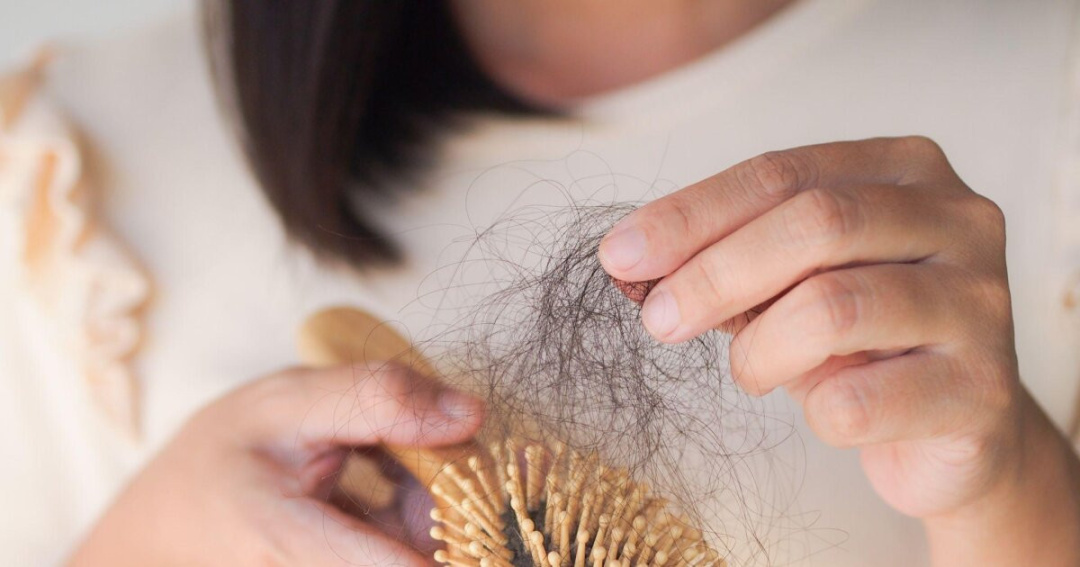
Hair loss is a concern for many, often linked to various health signals. Factors contributing to hair loss include genetics, stress, illness, hormonal changes, nutrition, and dietary habits. The relationship between hair health and overall well-being is complex, as hair loss can indicate underlying health issues. For instance, during periods of high psychological stress or illness, individuals may experience an exacerbation of hair loss or premature graying, signaling the need for attention to both physical and mental health.
Each hair strand grows from a follicle, where the dermal papilla and hair matrix play crucial roles. The dermal papilla regulates matrix cell production, influencing hair length and health, while also supplying necessary nutrients through capillaries. The hair matrix contains melanocytes, which are responsible for hair pigmentation. When blood supply is compromised or sebaceous glands produce excessive oil, it can lead to inflammation and hair loss. Insufficient melanocytes can lead to graying hair.
A fungus known as Malassezia, which thrives on sebum, can also contribute to hair loss. When sebum production is excessive, Malassezia can proliferate, causing inflammation in hair follicles. A study published in Nature in 2021 indicated that a high-fat diet in mice led to sparse fur due to inflammation of hair follicle stem cells, suggesting that diet plays a role in hair health.
Traditional Chinese Medicine (TCM) offers insights into hair loss, with ancient texts describing conditions like alopecia areata. TCM suggests that hair loss can be caused by imbalances in the body's energy and blood supply. Treatments may include herbal formulas that nourish the blood and promote circulation, such as those containing Angelica sinensis and prepared Rehmannia root. These remedies aim to address the root causes of hair loss while alleviating symptoms.
In addition to herbal treatments, acupuncture techniques like the seven-star needle method can stimulate blood flow to the scalp, potentially promoting hair growth. A study indicated that patients with seborrheic alopecia showed significant improvement when combining TCM solutions with acupuncture techniques.
To support hair health, it's essential to provide adequate nutrition. Key nutrients that contribute to hair strength include proteins, vitamins, and minerals. One traditional method involves soaking ginger peel and Rhizoma Drynariae in alcohol to create a topical treatment that may enhance blood circulation in the scalp.
Another age-old practice is frequent hair combing, which is believed to promote scalp health. Historical accounts suggest that diligent hair combing can improve hair vitality and prevent loss. TCM views the head as a convergence of energy pathways, and stimulating the scalp may positively impact overall health.
In summary, hair loss can signal various health issues, and addressing it requires a multifaceted approach that considers diet, stress management, and traditional remedies. By understanding the underlying causes and exploring both modern and ancient treatment strategies, individuals can take proactive steps toward maintaining healthy hair.