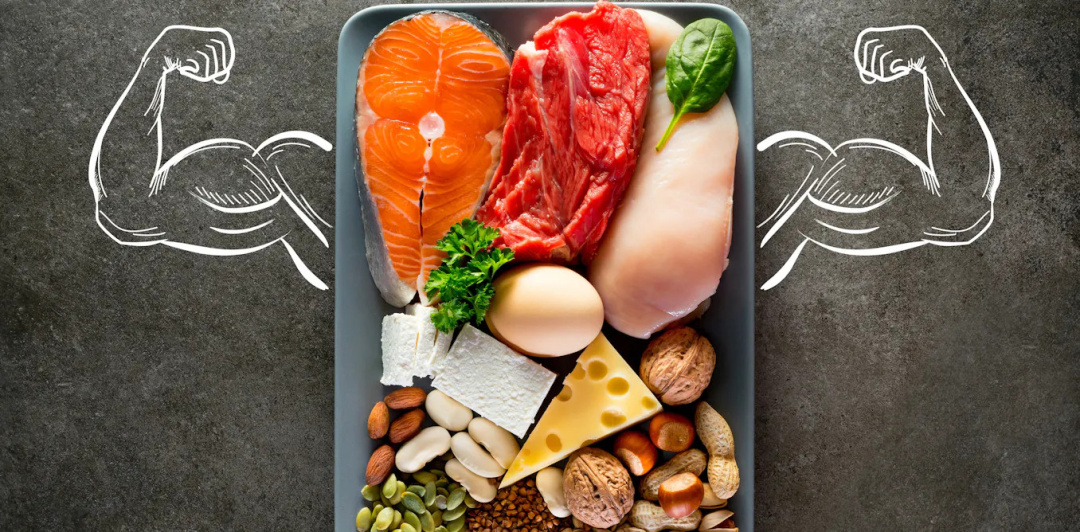
Protein Intake and Muscle Growth: Separating Science from Marketing Claims
The fascination with protein-rich diets has surged in recent years, with grocery store shelves now lined with protein shakes, bars, and fortified foods. This trend raises questions about the actual benefits of increased protein intake, particularly in relation to muscle growth. A recent exploration by a biologist highlights that while protein is crucial for building and repairing muscle, merely consuming more protein without engaging in resistance training may not lead to significant muscle gains. Protein serves multiple functions in the body, including supporting the nervous system and immune function, not just muscle development.
Proteins are composed of amino acids, nine of which are essential and must be obtained through diet. Animal-based proteins typically provide a complete set of these essential amino acids, while many plant-based proteins may lack one or more. This distinction is vital for individuals looking to optimize their protein intake. The U.S. government recently updated its recommended dietary allowance (RDA) for protein, suggesting an increase from 0.8 grams to between 1.2 and 1.6 grams per kilogram of body weight for adults, depending on individual health goals and activity levels.
Despite the push for higher protein consumption, many experts agree that the average healthy adult likely consumes sufficient protein. Overconsumption can lead to health issues, including kidney damage and digestive problems. Moreover, while protein can promote feelings of fullness, an excessive focus on protein-rich foods may detract from the intake of other essential nutrients found in fruits, vegetables, and whole grains.
The protein supplement industry, valued at approximately $20 billion, reflects a societal belief in the benefits of dietary protein for muscle growth and maintenance. However, the article cautions that while protein powders can be beneficial for those struggling to meet their protein needs, they often lack the nutritional benefits of whole foods.
Ultimately, the interplay between dietary protein and resistance training is crucial for muscle growth. Studies indicate that older adults see improvements in muscle size and strength only when protein intake is paired with heavy resistance training. Thus, while protein is an important dietary component, it should not be viewed as a standalone solution for muscle building. Instead, a balanced approach that includes both adequate protein and regular strength training is essential for optimal muscle health and overall well-being.