Evolving Snack Choices: 10 Foods Gaining Popularity in Indian Grocery Baskets by 2026
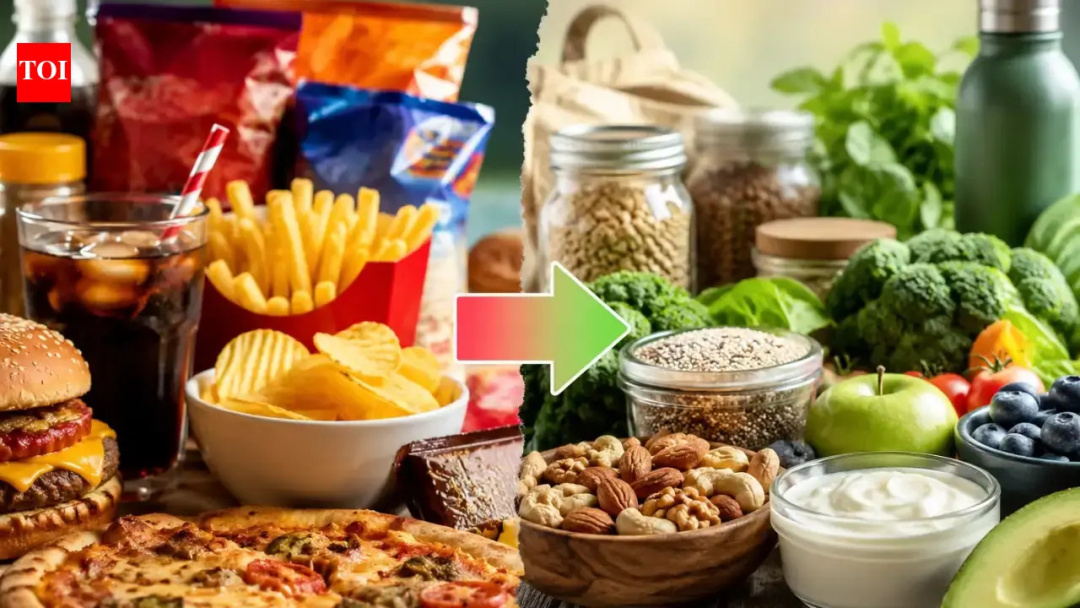
The Indian grocery basket is undergoing a significant transformation as consumers increasingly opt for healthier snack options and functional foods. This shift does not imply a complete abandonment of traditional foods; rather, it reflects a growing preference for familiar ingredients presented in new, more health-conscious forms. A recent healthy-snacking survey conducted with over 6,000 respondents found that 86% of participants consider protein an important factor when selecting snacks, while 62% prioritize clear ingredient information. These insights shed light on why certain foods that were once considered niche or expensive are now becoming staples in everyday kitchens.
One notable trend is the rise of makhana, or foxnuts, which have transitioned from being a fasting food to a popular everyday snack. Roasted and flavored varieties of makhana are increasingly replacing fried snacks like potato chips and bhujia, appealing to health-conscious consumers seeking crunchy, protein-rich alternatives.
Similarly, the yoghurt category is evolving, with Greek-style and high-protein yoghurts gaining popularity. These products are now common in urban refrigerators, replacing sweetened flavored yoghurts and dessert-like dairy snacks. This shift aligns with the broader trend towards protein-rich foods in daily diets.
Traditional grains such as bajra, jowar, and ragi are also making a comeback, appearing in various products like breads, dosa mixes, and breakfast items. This resurgence indicates a rediscovery of these grains rather than their introduction to Indian consumers, as they replace some refined-flour products in the market.
Oats have expanded beyond their traditional role as porridge, with innovations like overnight oats and oat-based pancakes appealing to younger consumers. This versatility allows oats to replace sugar-heavy breakfast cereals and sweetened instant options.
Nuts and seeds, including almonds, walnuts, and pumpkin seeds, are increasingly viewed as everyday snacks rather than just cooking ingredients. Their association with protein and healthy fats is contributing to their popularity, pushing aside less nutritious tea-time snacks like cream biscuits and cookies.
Peanut, almond, and mixed-nut butters are becoming breakfast staples, particularly peanut butter, which has gained traction as a convenient protein source. These products are replacing chocolate spreads and other highly sweetened breakfast options.
Quinoa, while still considered a premium item, is finding its way into salads and meal-prep menus, often replacing plain white rice in health-focused meals. This shift highlights quinoa's reputation as a protein-rich grain.
In the beverage aisle, gut health has transitioned from niche discussions to mainstream offerings, with probiotic drinks and functional sodas increasingly marketed as alternatives to sugary soft drinks and packaged fruit beverages.
Protein bars have made their way from gym bags to everyday life, offering convenience similar to chocolate bars while emphasizing protein and fiber. This trend is leading to a decline in the popularity of ordinary chocolate bars as quick energy snacks.
Granola is also gaining traction, appealing to consumers looking for quick, nutritious breakfasts that pair well with yoghurt and fruit. However, shoppers are advised to check labels, as some granolas can contain significant added sugars, replacing sweetened cereals and heavily processed breakfast mixes.
Overall, the biggest change in 2026 may not be the introduction of entirely new foods but rather a shift in the reasons behind food purchases. Consumers now seek snacks that are crunchy, convenient, and rich in protein, while beverages are expected to offer more than just taste. Traditional ingredients like makhana and millets are being reimagined in the context of modern wellness trends, reflecting a broader evolution in dietary preferences.