Malnutrition and Misconceptions Contribute to Stunting in Children in Benin
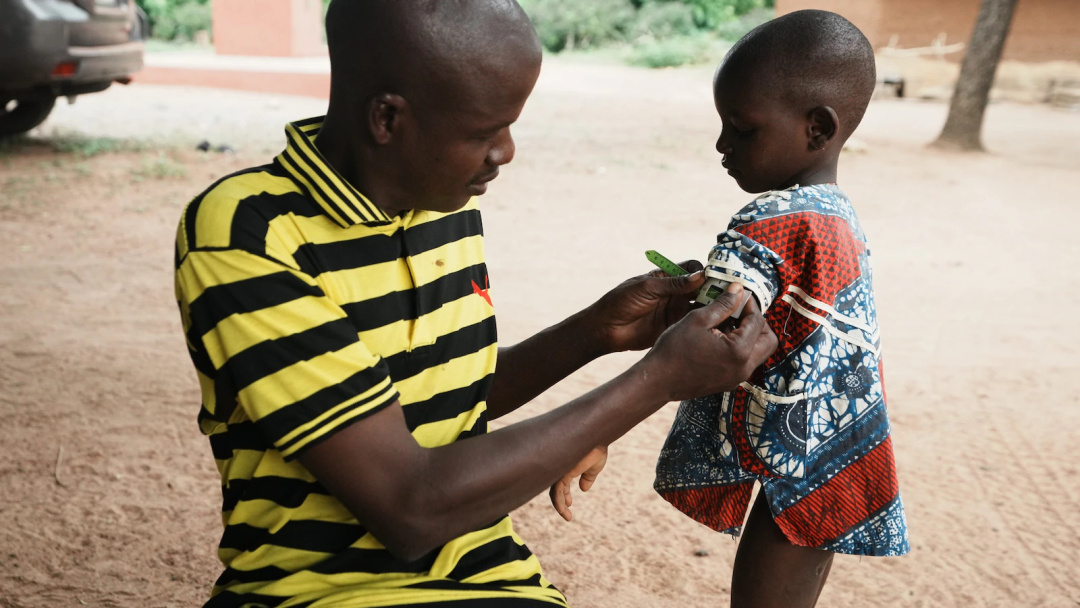
In Benin, stunting affects more than a third of children under the age of five, primarily due to malnutrition, despite the country's rich agricultural resources. Sabi Bera Zakari, a local farmer, expressed indifference towards his children's height, focusing instead on their weight. However, development sociologist Boris Gloni pointed out that stunted growth is a critical issue that requires urgent attention from families. Stunting, defined as impaired growth and lower than average height-for-age, is often irreversible if it occurs during the first 1,000 days of life, impacting brain development and overall health later in life.
Gloni, a former representative of The Hunger Project, has dedicated years to educating families about the importance of addressing stunting. He noted that some parents mistakenly believe that providing their children with milk and eggs could lead to greediness, which prevents them from offering these nutrient-rich foods. In many households, livestock like goats and chickens are kept primarily for economic purposes, rather than for direct consumption.
Beninese authorities aim to reduce the prevalence of stunting to below 30% by 2030. Achieving this goal requires the involvement of community volunteers like Douro Wonkourou Idrissou, who measures children's arm circumferences to assess malnutrition. While he lacks the tools to measure height, he feels disheartened when he sees children who should be taller. Idrissou attributes the issue to parents who, while needing assistance, often lack the knowledge to provide adequate nutrition.
The typical diet in many families consists mainly of starchy foods, such as yams and cassava, which can lead to nutritional deficiencies. Mothers often spend long hours tending to their gardens, leaving their children hungry and with diminished appetites. Idrissou emphasizes the need for dietary diversity, urging families to avoid relying solely on one type of crop, such as maize.
Stunting is particularly prevalent in northern Benin, where drought conditions can force families to migrate in search of pasture for their livestock. Despite ongoing efforts to combat stunting, including the World Bank-funded "1,000 Days" program, which provides micronutrient supplements and school meals, progress has stagnated. Rolland Essou from The Hunger Project noted that some statistics indicate an increase in stunting rates, highlighting the challenges faced by families.
Essou pointed out that households suffering from malnutrition often have young, illiterate heads of households and many children. Zakari, who is unsure of his children's ages, exemplifies the lack of awareness surrounding stunting. His neighbor, Fati Aboubacar, mentioned that some community members are too busy or financially strained to care for their children's nutritional needs, with her family only able to afford eggs once a week.
Razak Kotchoni, a project manager with CASCADE Benin, stresses that efforts to address stunting must begin before children are born. Cultural beliefs that discourage the consumption of eggs and nutrient-rich foods among pregnant women contribute to the problem. To combat these misconceptions, facilitators engage in discussions with community members to challenge harmful practices.
Idrissou has observed that while some parents seek help when they notice their children are not growing adequately, many others remain indifferent. Aboudou, Zakari's wife, expressed a desire to improve their children's diet but cited financial constraints as a barrier. The family's chickens are viewed as a financial safety net rather than a food source, underscoring the complex interplay between economic pressures and nutritional choices.