Nattokinase: The Health Benefits of Japan's Fermented Soybean Superfood
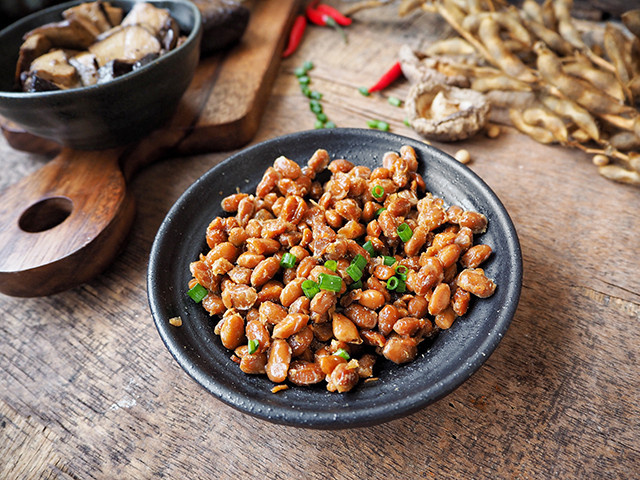
Nattokinase, an enzyme extracted from natto, a fermented soybean dish, is increasingly recognized for its health benefits. For centuries, natto has been a staple in Japanese cuisine, known for its unique flavor and aroma. Traditionally, natto is prepared by fermenting boiled soybeans with the beneficial bacteria Bacillus subtilis, which naturally occurs on rice straw. This fermentation process not only enhances the flavor but also enriches the nutritional content of the soybeans.
The nutritional profile of natto is impressive, offering a rich source of calcium, fiber, iron, magnesium, potassium, protein, and zinc, along with vitamins C and K. The fermentation process is crucial, as it fosters the growth of probiotics, which are beneficial for gut health. In 1980, Japanese researchers isolated the enzyme nattokinase from natto, believing it possessed unique health-promoting properties. This enzyme has since been the subject of various studies, particularly in Eastern countries, and is now attracting interest in Western medicine.
Nattokinase is thought to support cardiovascular health by promoting healthy blood circulation. However, it is essential to approach its use with caution. Nattokinase contains vitamin K1, which plays a significant role in blood clotting. Therefore, individuals taking blood-thinning medications should consult healthcare professionals before incorporating nattokinase supplements into their diets. Additionally, those with an underactive thyroid may want to limit their natto intake due to the goitrogenic properties of soybeans.
Despite these precautions, for most people, incorporating natto into a balanced diet can be beneficial. This traditional food exemplifies how ancient culinary practices can align with modern nutritional science, offering a unique approach to health and wellness. As research continues, the potential of nattokinase as a health ally remains an exciting area of exploration.