Study Reveals Determinants of Arboviral Disease Severity in African Populations
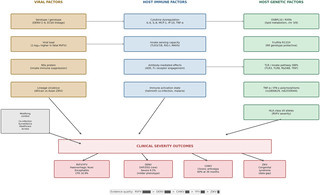
Arboviral diseases caused by dengue (DENV), chikungunya (CHIKV), yellow fever (YFV), Rift Valley fever (RVFV), and Zika (ZIKV) viruses represent significant health challenges across Africa. These diseases can lead to a spectrum of clinical presentations, from mild febrile illness to severe, life-threatening conditions. Understanding why certain individuals develop severe symptoms while others do not is crucial for public health responses. A recent systematic review synthesized data from 154 studies conducted in 38 African countries, aiming to identify the viral and host immune determinants of clinical severity for these five arboviruses.
The review, which adhered to the PRISMA 2020 guidelines, involved a comprehensive search of databases including PubMed, Scopus, and the WHO Global Index Medicus, covering studies published from 1978 to 2026. The findings revealed that DENV was the most frequently studied virus, followed by RVFV, with a notable lack of clinical data on ZIKV severity in Africa. The meta-analysis yielded a pooled case fatality rate for RVFV of 16.9% and a severe disease proportion for DENV of 8.5%, although these figures should be interpreted cautiously due to significant heterogeneity among the studies.
The review highlighted emerging patterns in immunopathology, such as cytokine dysregulation associated with fatal cases of RVFV and YFV. Additionally, preliminary evidence suggested that individuals of African ancestry may possess genetic variants that confer some protection against severe dengue, although this hypothesis requires further validation through genomic studies in African cohorts.
Despite the insights gained, the review also identified critical gaps in the existing literature, particularly the scarcity of clinical data on ZIKV and the need for more comprehensive cytokine profiling and multi-site studies. Addressing these gaps is essential for informing vaccine development, clinical management, and pandemic preparedness in Africa. The authors emphasize the importance of strengthening arboviral surveillance and research to better understand these diseases and mitigate their impact on public health.