Dielectrophoresis and ζ-Potential: Innovative Methods for Measuring Cell Electrophysiology
Cell electrophysiology serves as a crucial measure of cell function, encompassing the ionic state and channel activity, as well as the alterations induced by pharmacological interventions. Traditional methods, particularly the patch clamp technique, are considered the gold standard for measuring whole-cell electrical properties, including resting membrane potential and membrane capacitance. However, these methods are often limited by their complexity, time consumption, and the need for highly skilled operators, which restricts their widespread adoption in cell biology and drug discovery. Automated alternatives, while available, tend to be costly and not universally accessible.
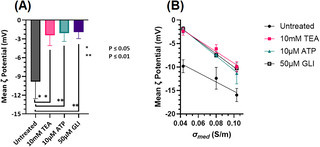
Recent advancements have introduced dielectrophoresis (DEP) and electrophoretic light scattering (ELS) as promising low-cost alternatives for measuring cell electrophysiology. These methods allow for the examination of a significantly larger number of cells—often tens of thousands—within a short time frame, making them more practical for routine laboratory use. In this study, DEP and ELS were employed to assess the electrophysiological properties of the human bladder carcinoma cell line HTB-9 following treatment with various compounds, including ATP, glibenclamide, and tetraethylammonium, and the results were compared to data obtained through the patch clamp method.
The findings indicate that DEP can yield values for membrane potential and conductance that align closely with those derived from patch clamp measurements, but with the added benefits of speed and cost-effectiveness. This suggests that DEP and ELS could become valuable tools in the field of electrophysiology, particularly for studies involving cancer cells, where understanding electrical properties is essential for elucidating cellular behavior and responses to treatment.
The HTB-9 cell line, derived from a patient with bladder carcinoma, was chosen for its high proliferation rate and established relevance in cancer research. The study utilized various concentrations of the selected treatments to facilitate comparisons with existing literature on the same cell line and compounds. The results highlight the potential of DEP as a routine method for assessing cell electrophysiology, paving the way for broader applications in cancer biology and beyond.
Overall, the research underscores the importance of exploring alternative methodologies in cell electrophysiology, particularly those that enhance accessibility and efficiency in laboratory settings. The ability to measure electrical properties rapidly and accurately could greatly advance our understanding of cellular functions and the impact of pharmacological interventions, particularly in the context of cancer research and treatment.














