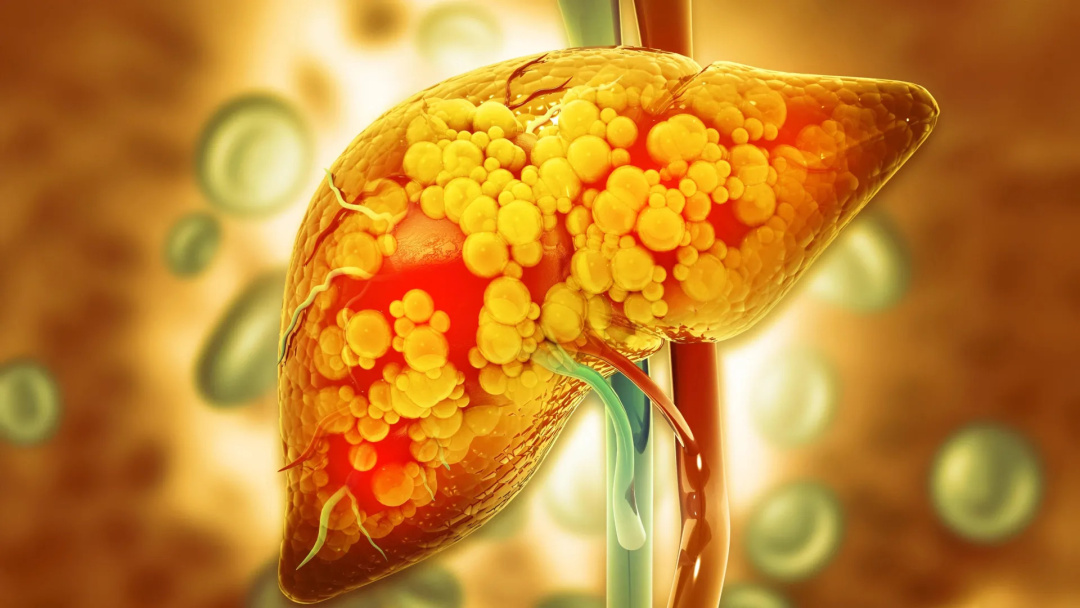
Study Finds Daily Tomato Consumption May Reduce Liver Fat in Individuals with MASLD
A recent study conducted by researchers in the POMOSANO trial examined whether daily consumption of tomatoes could influence liver fat in individuals diagnosed with metabolic dysfunction-associated steatotic liver disease (MASLD), previously known as nonalcoholic fatty liver disease. This condition, characterized by the accumulation of excess fat in the liver, has become the most prevalent chronic liver issue globally and is linked to an increased risk of cardiovascular diseases.
In the randomized trial, 79 adults diagnosed with MASLD were divided into two groups over a six-week period. One group consumed 200 grams of raw tomatoes, equivalent to about two medium-sized tomatoes, along with 50 grams of tomato sauce daily, while the other group refrained from eating tomatoes. Participants were instructed to maintain their regular diet and lifestyle throughout the study.
To assess changes in liver fat, researchers employed FibroScan technology, a non-invasive method, to measure liver fat levels before and after the intervention. Results indicated that while liver fat decreased in both groups, the reduction was significantly greater in those who consumed tomatoes. Specifically, the tomato-eating group experienced a median decrease of 35 units in liver fat scores, compared to a reduction of 18 units in the control group. Notably, these changes occurred without significant differences in body weight, body mass index (BMI), or body fat percentage between the two groups, suggesting that the tomatoes themselves may have contributed to the observed effects.
Despite the promising results, the study did not reveal significant changes in liver stiffness, blood sugar levels, cholesterol, liver enzymes, or markers of inflammation, indicating that these factors may require a longer duration to show improvement. The researchers noted that lycopene, a powerful antioxidant found in tomatoes, could be a contributing factor to the reduction in liver fat, although other compounds such as beta-carotene and polyphenols present in tomatoes may also play a role in supporting liver health by protecting cells from oxidative stress and promoting a healthier inflammatory response.
An important nutritional insight from the study is that cooking tomatoes can enhance the absorption of lycopene, which is fat-soluble. Therefore, pairing tomatoes with a source of healthy fat, such as olive oil, may further improve their benefits.
While the findings suggest that incorporating tomatoes into one's diet could positively impact liver fat levels, further research with larger sample sizes and longer durations is necessary to fully understand the long-term effects and mechanisms at play. Nevertheless, tomatoes remain a convenient and nutritious addition to a balanced diet, potentially aiding in metabolic health and liver function.