Managing High Blood Pressure: A Key Factor in Reducing Heart Disease Risk

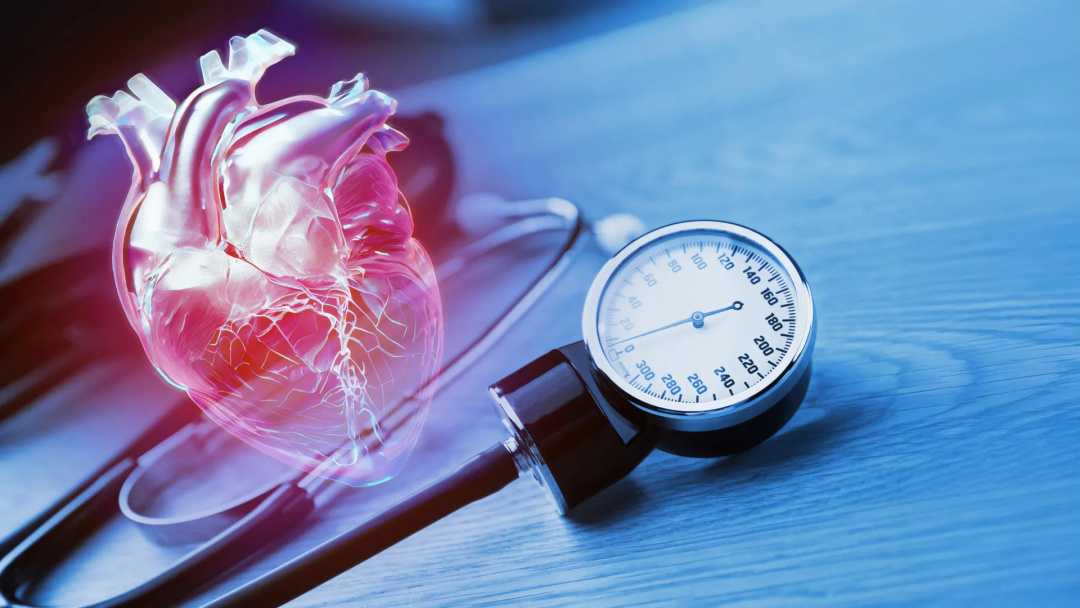
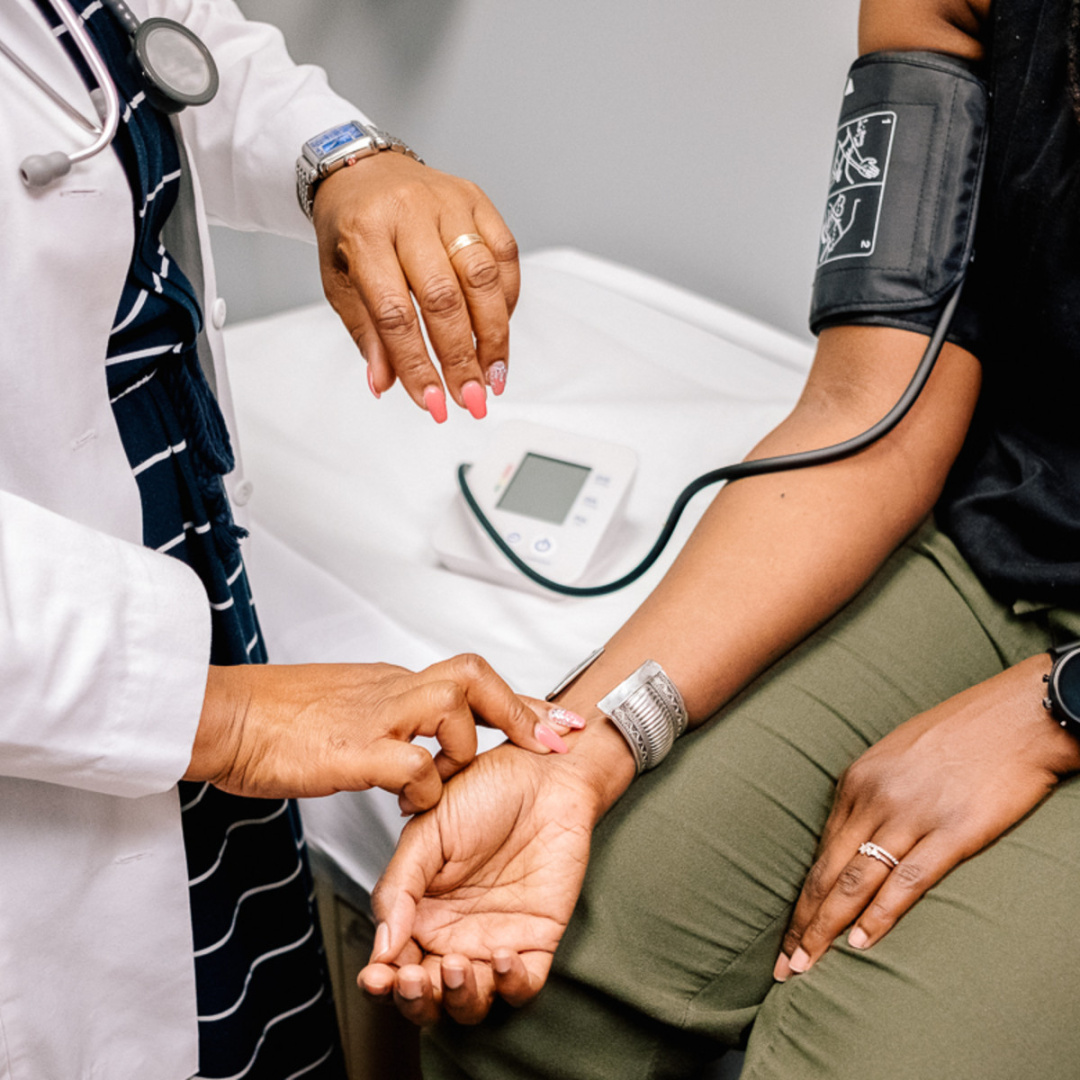
Preventing heart disease often involves monitoring various health metrics, including cholesterol levels, body mass index (BMI), blood sugar, and waist circumference, as these can indicate potential heart issues if elevated. However, one critical number that deserves attention is blood pressure, particularly when it exceeds healthy limits. High blood pressure, also known as hypertension, is recognized as the most significant modifiable risk factor for heart disease, according to Dr. Natalie Azar, a medical contributor for NBC News. Managing hypertension can be achieved through lifestyle changes and medication. A recent study reviewed the updated high blood pressure guidelines from the American Heart Association and the American College of Cardiology, revealing that out of 81 million U.S. adults diagnosed with high blood pressure—defined as 130/80 mmHg or higher—approximately 23 million are eligible for medication. Alarmingly, nearly half of these individuals, close to 10 million, remain untreated. The study's authors suggest that if these individuals were to receive appropriate treatment, it could potentially prevent around 162,000 cardiovascular deaths over the next decade. High blood pressure is often referred to as the 'silent killer' because it typically presents no symptoms, yet it can lead to severe health complications such as stroke, heart failure, and coronary artery disease. To estimate the risk of developing cardiovascular disease over the next 30 years, individuals can utilize the American Heart Association's PREVENT Online Calculator, which requires basic health information, including blood pressure, cholesterol levels, smoking status, and diabetes history. This tool is designed for adults aged 30 and older who do not currently have heart disease. Dr. Azar emphasizes the utility of this calculator, suggesting that while individuals can use it independently, consulting a doctor is crucial for accurate risk stratification. If the assessment indicates a need for blood pressure treatment, lifestyle interventions should be considered first. These may include adopting a healthy diet, such as the DASH diet, engaging in regular physical activity, managing stress, and limiting alcohol consumption. Additionally, reducing salt intake is vital; alternatives like salt substitutes, garlic, vinegar, and spices can enhance flavor without adding sodium. The Start TODAY app offers resources for nutritious meal plans, heart-healthy recipes, and workouts tailored to various fitness levels, supporting a healthy lifestyle that can assist in lowering blood pressure.