Dr. Andrea Maier Establishes Clinical Trial Center to Advance Longevity Research
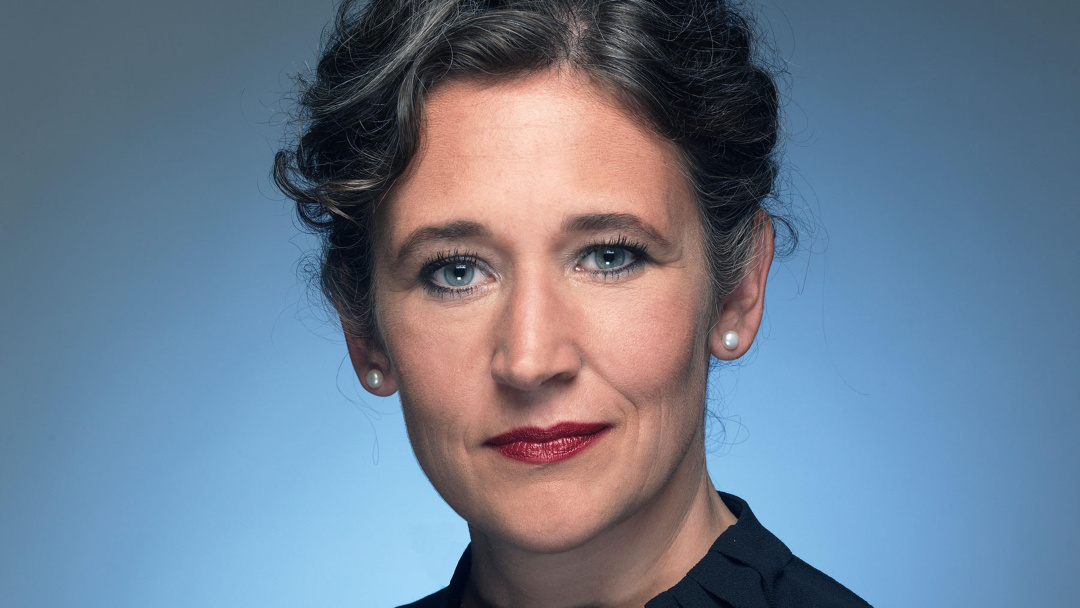
Dr. Andrea Maier has long been captivated by the complexities of aging, a fascination that began in her childhood and deepened during her medical training. This passion has driven her to establish a new clinical trial center at the National University of Singapore, where she serves as the director of the Academy for Healthy Longevity. The center is designed to facilitate multiple long-term trials that will assess the effects of various supplements, exercise regimens, and other lifestyle interventions on health span. Maier's extensive clinical research, which investigates whether certain drugs and interventions that improve the health and longevity of mice can be translated to humans, has positioned her as a leading figure in the field of longevity medicine.
The newly opened center is equipped to generate the robust scientific evidence necessary to support the burgeoning field of longevity medicine. Maier emphasizes the importance of training a new generation of doctors in this area, noting that the center is already facing demand that exceeds its capacity due to the number of trials being conducted. Unlike many longevity studies that recruit participants from the general population, Maier's trials focus on individuals whose biological age, determined by assessing age-related changes in various organs and tissues, exceeds their chronological age. This targeted approach increases the likelihood of observing significant effects from the interventions being tested.
Maier's vision includes the development of personalized, precision-medicine strategies for patients, allowing for tailored interventions that align with individual biological profiles. She likens the current approach to aging to treating all cancer patients with the same chemotherapy regimen, arguing that such a one-size-fits-all strategy is ineffective. Her PROMETHEUS trial exemplifies this tailored approach, incorporating specialized dietary and exercise recommendations, supplements, and cognitive behavioral therapy. An initial pilot study involving 20 participants yielded promising results regarding markers of muscle, cognitive, and immune function. Following this, Maier's team is preparing for a randomized controlled trial to further investigate the long-term benefits of these interventions on health outcomes over a year.