Nir Barzilai Advocates for Drug Repurposing to Enhance Longevity and Health Span
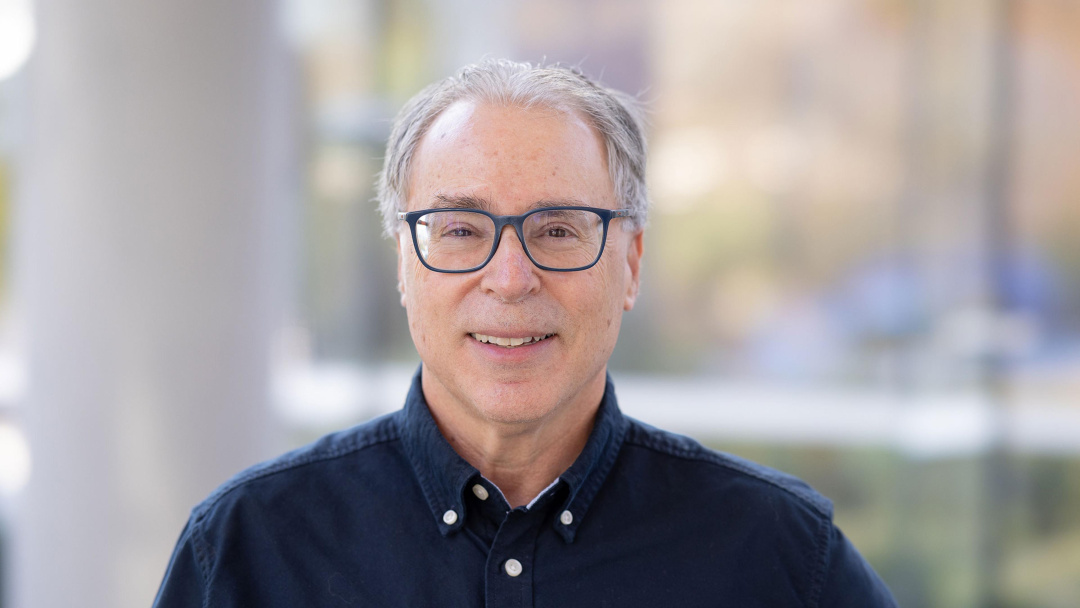
Geneticist Nir Barzilai is at the forefront of a transformative approach to medicine that emphasizes the importance of targeting the biology of aging rather than merely treating individual diseases. His research aims to extend the 'health span'—the period of life spent in good health—by investigating how existing drugs and lifestyle changes can positively impact aging processes. Barzilai notes that the current maximum lifespan is around 115 years, with many individuals passing away around the age of 80. He believes there is potential to significantly increase both lifespan and health span through scientific advancements.
Over the years, Barzilai has dedicated his research to studying centenarians and 'superagers'—individuals who live beyond 95 years in excellent health. His work has identified several genetic factors that contribute to healthy aging, particularly variations in genes related to cholesterol and lipid metabolism. In collaboration with other researchers, Barzilai is co-leading the SuperAgers Initiative, which aims to recruit 10,000 participants over the age of 95 and their family members to further investigate the genetics of longevity. He emphasizes that understanding the biological mechanisms behind aging is crucial for developing effective treatments.
A significant aspect of Barzilai's work is his advocacy for repurposing existing medications as potential longevity treatments. He has designed a clinical trial to test metformin, a drug commonly used for diabetes, to see if it can delay the onset of age-related diseases such as cardiovascular issues and cancer. Although the trial has not yet begun, Barzilai suggests that its design could be adapted for other medications, such as GLP-1 drugs, to explore their efficacy in preventing multiple age-related conditions.
Additionally, Barzilai is involved in efforts to establish reliable biomarkers for aging, which could help assess the effectiveness of various drugs and lifestyle interventions, including exercise and sleep, in slowing the aging process. He believes that the implications of this research could fundamentally change our understanding of aging and health.
Barzilai expresses a desire to clarify the language surrounding this field, distancing it from the hype often associated with the term 'longevity.' He prefers the term 'geroscience,' which focuses on the biological processes of aging and their relationship to disease. As the head of the Albert Einstein College of Medicine's Institute of Geroscience and president of the Academy of Geroscience, he has worked to rebrand these organizations to emphasize their scientific foundations. By doing so, he aims to cut through the noise and promote genuine scientific inquiry into aging and health.