Breast Oncologist Shares Five Habits to Lower Cancer Risk and Improve Outcomes

Dr. Loren Rourke, a breast surgical oncologist based in Texas, emphasizes the importance of healthy lifestyle choices in reducing cancer risk, although she notes that no single choice can guarantee prevention. As new data reveals the ongoing impact of cancer in the U.S., with an estimated 2,114,850 new cases expected in 2026, Rourke advocates for simple yet effective lifestyle measures that can help lower the likelihood of developing the disease.
Among the strategies she recommends, maintaining a healthy weight is crucial, as obesity is linked to an increased risk of at least 13 types of cancer, according to the National Cancer Institute. Rourke identifies excess body weight as the third-largest risk factor for breast cancer, following female gender and aging.
Additionally, Rourke discusses the potential role of glucagon-like peptide-1 (GLP-1) medications, such as Ozempic and Wegovy, in cancer risk reduction. Emerging research suggests these drugs may be associated with a lower risk of cancer diagnoses and recurrence, possibly due to their effects on weight loss and chronic inflammation. Rourke explains that a lower body mass index (BMI) correlates with better breast cancer prognosis, making weight management an important factor in overall health.
The American Cancer Society also emphasizes the significance of physical activity in reducing cancer risk. Their guidelines recommend adults engage in 150 to 300 minutes of moderate activity or 75 to 150 minutes of vigorous activity each week. Rourke highlights that fitness is often underestimated, noting its benefits for mental health and its role in mitigating various chronic conditions, including cancer.
Rourke advises that even if exercise does not prevent cancer, it can enhance outcomes if the disease occurs. She underscores the importance of being prepared for potential health challenges, stating, "If you can bring a healthy body and a healthy mind to the disease, you are going to do better."
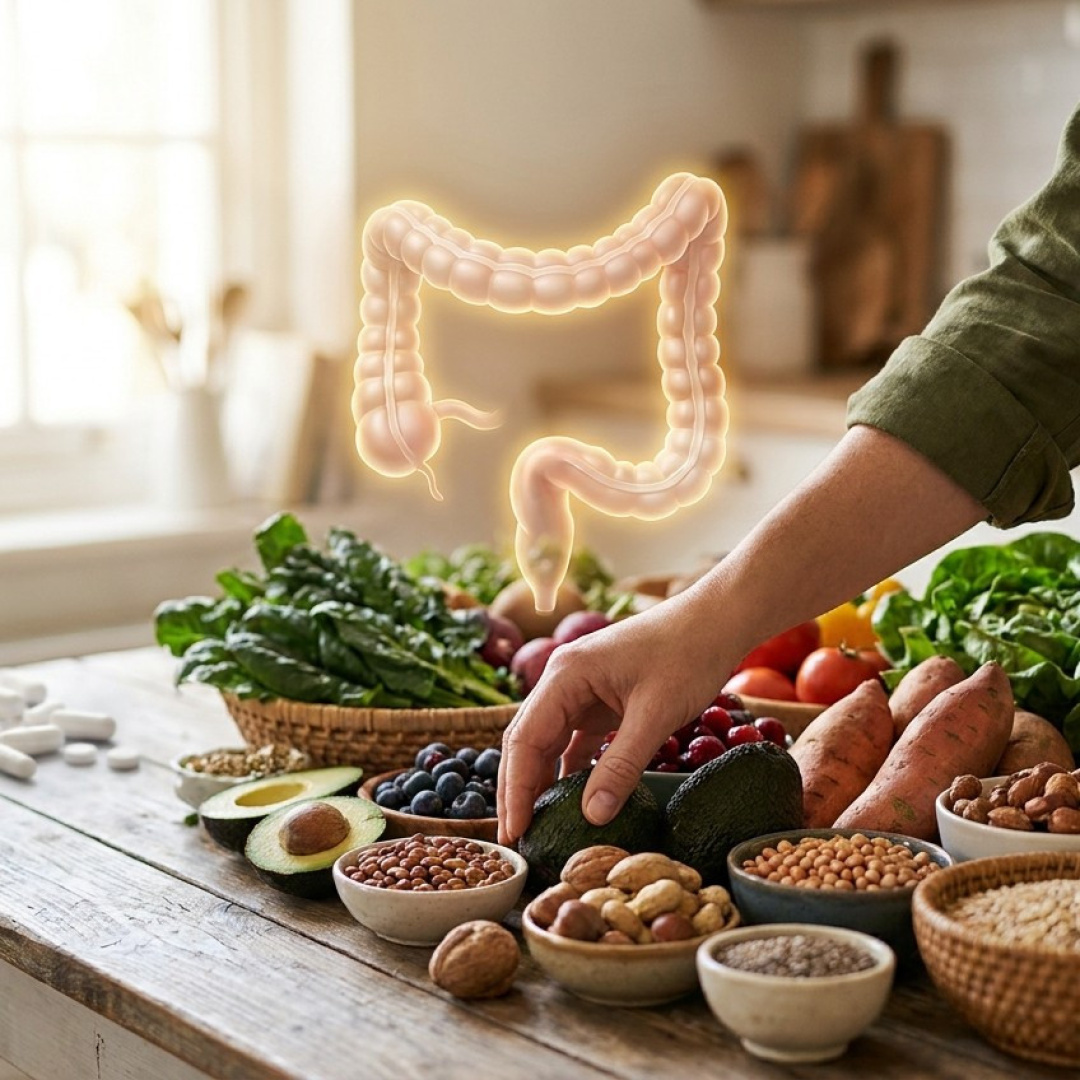
Dietary choices also play a critical role in cancer risk management. The American Cancer Society recommends a diet rich in vegetables, whole fruits, whole grains, and legumes, while limiting red and processed meats, sugary drinks, and highly processed foods. Rourke agrees with these recommendations but acknowledges that even individuals with healthy eating patterns can still face cancer diagnoses. She encourages a balanced diet that avoids extremes, stating, "You don’t need to give up all sugar or go to the extreme."
Moreover, Rourke points out the risks associated with smoking and alcohol consumption. Cigarette smoking accounts for about 20% of all cancers and 30% of cancer deaths in the U.S., while alcohol is linked to an estimated 5% of cancer cases. The U.S. Surgeon General has identified alcohol as the third leading preventable cause of cancer, advising moderation in consumption.
Finally, Rourke stresses the importance of early detection and awareness in improving cancer survival rates. She notes that increased education and awareness about family histories of cancer contribute to better health outcomes. However, she cautions against over-reliance on artificial intelligence for symptom evaluation, urging individuals to consult healthcare professionals if they have concerns about their health. Rourke’s insights provide valuable guidance on adopting habits that may help reduce cancer risk and improve overall well-being.