New Yorkers Navigate Food Safety Amid Cyclosporiasis Surge Affecting Salad Consumption
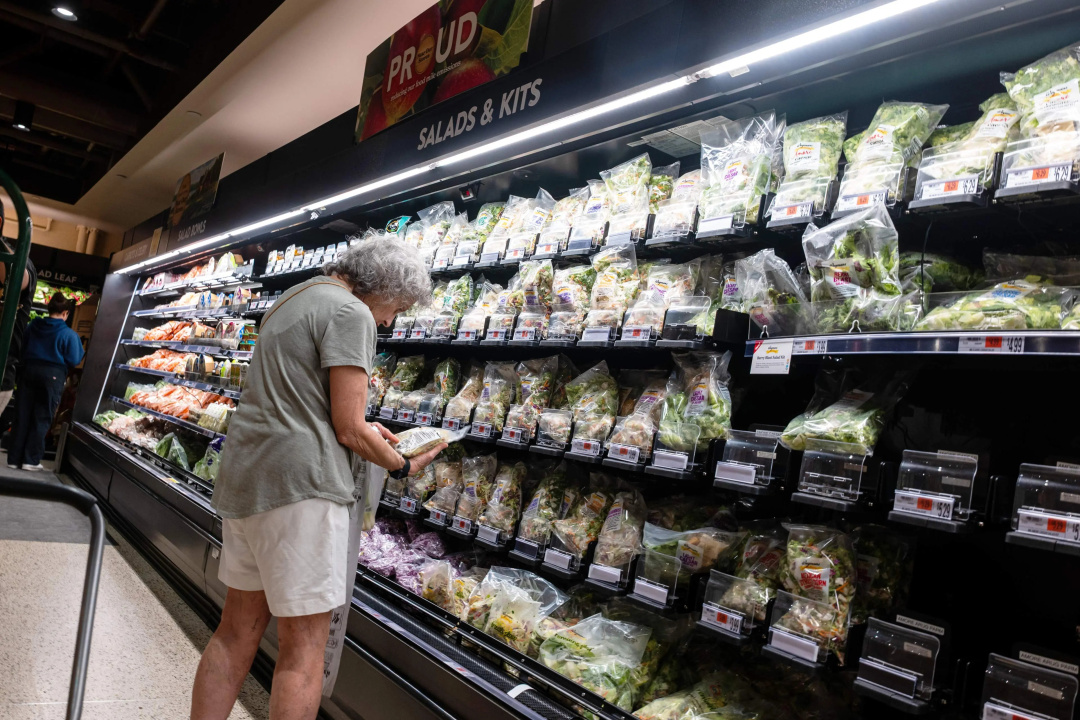
In New York City, a surge in cyclosporiasis cases has sparked widespread concern about the safety of eating salad, particularly as the summer harvest season peaks. Cyclosporiasis, a severe foodborne illness caused by a parasite, has resulted in gastrointestinal symptoms for thousands across the United States, with over 800 reported cases in New York state alone since May. Despite a decline in confirmed cases since mid-July, health officials have yet to pinpoint the specific foods responsible for the outbreak, although some outbreaks in other states have been linked to recalled iceberg lettuce from Taylor Farms de Mexico.
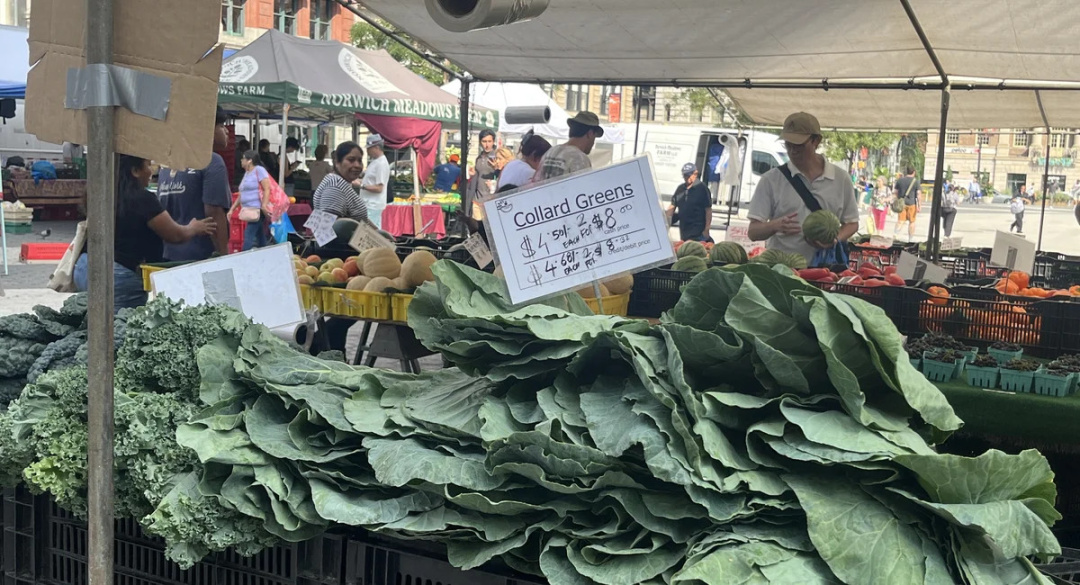
The uncertainty surrounding the source of the cyclosporiasis cases has led to varied responses among New Yorkers. Some individuals continue to consume fruits and vegetables as usual, while others are taking extra precautions. For instance, many are opting to buy local produce from farmers' markets, cooking their vegetables instead of eating them raw, or substituting fresh produce with frozen options. Specific concerns about lettuce have prompted some to avoid it altogether.
Dr. James McDonald, New York's state health commissioner, advised that while washing fruits and vegetables thoroughly is essential, it does not completely eliminate the risk of cyclosporiasis. He suggested that those particularly concerned could cook their produce to kill the parasite. However, he acknowledged the difficulty in determining when the risk of infection might subside, emphasizing the importance of monitoring case counts.
On the other hand, some food safety experts are adopting more cautious approaches. Carolyn Dmitri, a professor at NYU, has chosen to avoid raw vegetables and is instead scrubbing, peeling, and cooking her produce. She is also steering clear of pre-packaged salads, opting for whole, unwashed greens instead, as water can be a vector for pathogens.
At the Union Square Greenmarket, shoppers exhibit a range of attitudes towards food safety. While some, like 75-year-old Joanne Sandler, are avoiding leafy greens, others, such as 84-year-old Jacqui Starkey, continue to eat fruits and vegetables without significant changes to their habits. Local farmers report an increase in lettuce sales, indicating a phenomenon dubbed the 'flight to safety' where consumers gravitate towards familiar sources during food safety scares.
Public health experts note that while local produce is not immune to contamination, the likelihood of widespread issues is reduced if consumers trust their sources. Dana Mordue, an associate professor at New York Medical College, mentioned that fruits and vegetables are more often contaminated outside the U.S., leading her to favor produce that can be peeled and to avoid most lettuce, which can harbor the parasite.
As the investigation into the cyclosporiasis outbreak continues, city health officials are tracing cases by interviewing those who have fallen ill about their recent food consumption. This process aims to identify potential sources of contamination, although the time lag in symptom onset complicates matters. New York has historically experienced seasonal increases in cyclosporiasis cases, but this year's spike has been notably higher, prompting ongoing inquiries into its origins and implications for public health.