Sardinia's Longevity: Community and Lifestyle Over Superfoods in Centenarian Men
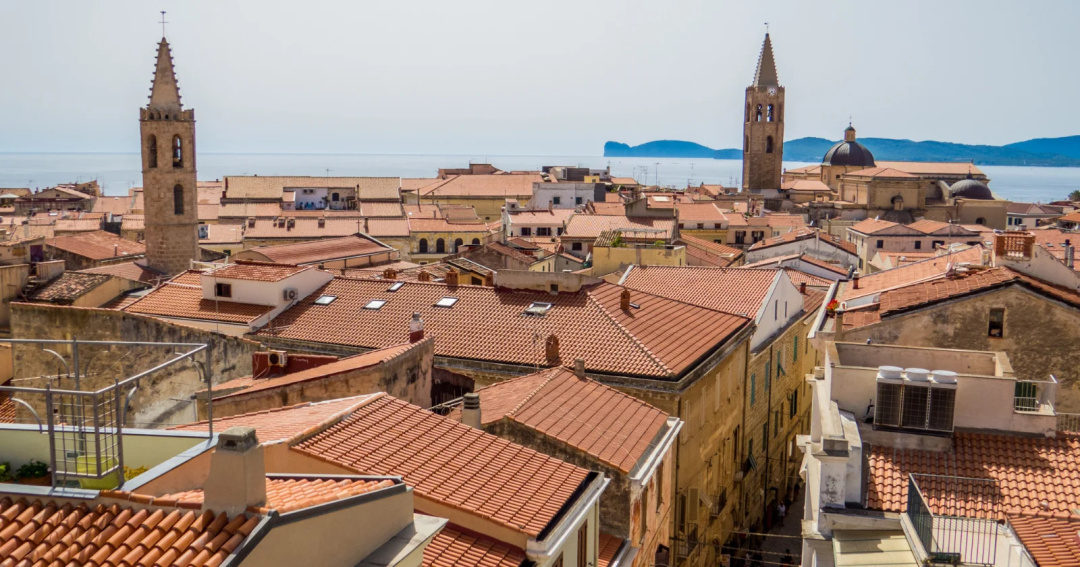
Two researchers, Gianni Pes and Michel Poulain, dedicated six months to studying the demographics of eastern Sardinia, meticulously matching baptism dates with death certificates to understand the region's high centenarian rates. Their investigation covered approximately 40 municipalities in Ogliastra, leading to the creation of a map that highlighted areas where reaching the age of 100 was common, thus coining the term "blue zone." The findings, published in Experimental Gerontology in 2004, revealed that 631 individuals born on the island between 1880 and 1900 reached this milestone, with a notable concentration of 91 centenarians from about 18,000 births in a core area, significantly surpassing the island's average predictions.
A striking aspect of this demographic is the unusual ratio of male to female centenarians. Typically, women outnumber men in centenarian populations globally by about five to one. However, in Sardinia, this ratio was approximately 2.4 to one across the island and 1.35 to one in the mountainous regions, suggesting a unique pattern. Further research focused on the village of Villagrande Strisaili confirmed that male longevity there was comparable to that of females, a phenomenon unexplained by national mortality data.
The researchers took necessary precautions to validate the ages recorded, ruling out age exaggeration as a factor. Their cautious conclusion indicated that no single element could account for the longevity observed; instead, a combination of lifestyle, family support, and community structure emerged as significant contributors alongside genetic factors.
While many might attribute this longevity to specific dietary habits, such as the consumption of flatbread or local wine, Pes and colleagues directly tested these assumptions. Their study, published in Nutrition, Metabolism and Cardiovascular Diseases, analyzed historical dietary and occupational records across 377 Sardinian municipalities. The results showed that nutritional differences did not significantly distinguish the long-lived districts from others. Instead, the key differentiators were related to physical activity and work. Villages with more shepherds had a 70 percent higher likelihood of being in the longevity zone, and steeper terrain and longer daily commutes to work further increased these odds.
This suggests that the geography and daily physical demands of shepherding played a crucial role in promoting longevity, rather than specific food items. The practical implications are profound: a shepherd's daily routine involved extensive physical activity, which contributed to their health without being perceived as exercise.
Moreover, the social dynamics in these villages are noteworthy. Aging individuals did not simply retire; they maintained active roles within their families and communities, contributing to child-rearing and local knowledge. A survey conducted by Maria Chiara Fastame and colleagues at the University of Cagliari found that living in the blue zone correlated with better self-rated health and lower depression scores among older adults, emphasizing the importance of social integration and community support.
This evidence aligns with broader research indicating that strong social relationships significantly enhance longevity. A meta-analysis by Julianne Holt-Lunstad found that individuals with robust social connections had a 50 percent better chance of survival over time, highlighting the critical role of social networks in health outcomes. Sardinia’s villages exemplify this, showcasing a lifestyle characterized by physical work, social engagement, and community interdependence.
However, it is essential to note that this research is ecological in nature, comparing populations rather than individuals, which limits the ability to draw definitive conclusions about individual longevity. The findings challenge the notion that longevity can be attributed to dietary factors alone, suggesting instead that the interplay of lifestyle, community, and social connections is vital for health and longevity.