Indonesia and Germany Collaborate on Micronutrient Supplements to Combat Stunting
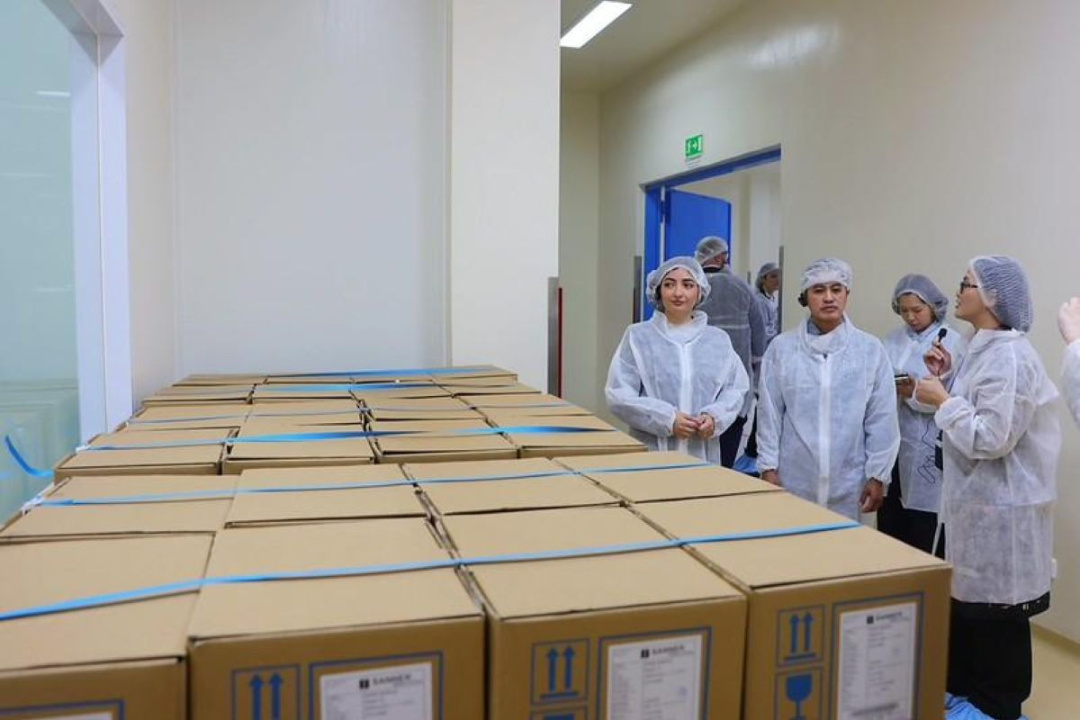
The Indonesian Ministry of Health has announced a partnership with the German Federal Government and PT Bayer Indonesia to locally produce Multiple Micronutrient Supplements (MMS) specifically for pregnant women. This initiative is part of a broader strategy to combat stunting, a significant public health issue in Indonesia. During a visit to Bayer's manufacturing facility in Cimanggis, West Java, Indonesian Deputy Minister of Health Dante Saksono Harbuwono highlighted the importance of MMS, which contains 15 essential vitamins and minerals, stating that it is more effective than standard iron-folic acid tablets in preventing stunting among children.
The establishment of the local MMS production facility is seen as a crucial step in ensuring that every pregnant woman in Indonesia has access to high-quality nutrition. Harbuwono emphasized that preventing stunting requires robust collaboration across various sectors, aiming for a stunting-free generation in Indonesia.
The German Federal Minister for Economic Cooperation and Development, Reem Alabali Radovan, expressed support for the program, noting that this partnership demonstrates a commitment to sustainable investment with a direct impact on maternal and child health in Indonesia. To support this initiative, PT Bayer Indonesia has invested approximately Rp99 billion (around US$5.57 million) to enhance research and development and expand production capabilities.
The Cimanggis facility is currently capable of producing up to 1.2 billion MMS tablets annually, which is expected to meet the needs of Indonesia's 4.9 million pregnant women and even allow for exports to 42 countries. Priscilla Silvan Praritza, Head of Bayer Supply Center Healthcare Cimanggis, confirmed the facility's readiness to provide globally standardized MMS. Additionally, the facility is designed with environmental sustainability in mind, featuring a 1.66-hectare rooftop solar panel installation that supplies 43 percent of its operational power and reduces carbon emissions by approximately 2,073 metric tons per year.
This initiative aligns with Indonesia's broader goals to address high rates of stunting and improve maternal and child health outcomes, showcasing the importance of international collaboration in public health efforts.