Engineered Probiotic Offers New Hope for Type 2 Diabetes Management
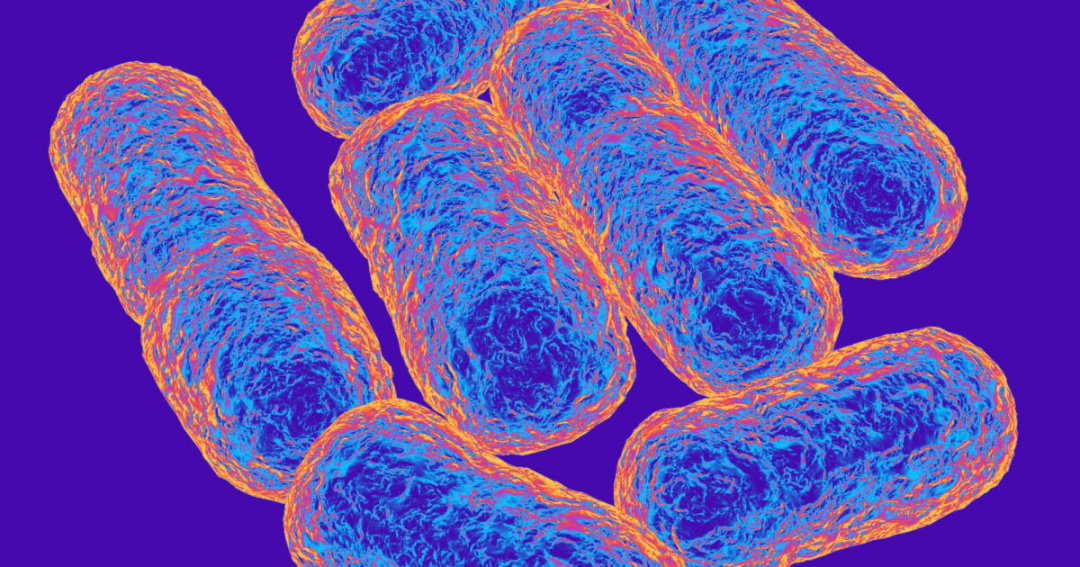
In a groundbreaking study, researchers at East China Normal University in Shanghai have engineered a strain of Escherichia coli to act as a living treatment for type 2 diabetes. This innovative probiotic, referred to as a glucose-sensing and functional response probiotic (GIFT), is designed to sense glucose levels in the body and release glucagon-like peptide 1 (GLP-1) accordingly. GLP-1 is a hormone that plays a crucial role in regulating blood sugar levels and is the active ingredient in popular diabetes medications such as Ozempic and Wegovy.
The GIFT system represents a significant advancement in diabetes management, as it activates only when glucose levels are elevated, thereby avoiding the risks associated with long-term administration of high doses of medication. This method allows for a more precise therapeutic response, mimicking the body's natural hormonal regulation of blood sugar. The researchers emphasize that their probiotic could provide a programmable, orally deliverable solution for metabolic therapy, bridging the gap between traditional pharmaceutical treatments and organ transplantation.
Current GLP-1 analogs, while FDA-approved for diabetes and weight loss, can have side effects and may not align perfectly with the body's fluctuating insulin needs. The GIFT system aims to address this issue by delivering insulin-raising hormones in real-time, responding to the body's immediate requirements. This could potentially mitigate the adverse effects associated with conventional GLP-1 therapies, which often require daily injections.
The body naturally regulates blood sugar through a complex hormonal response. When glucose levels rise, the pancreas is signaled to release insulin, while simultaneously slowing digestion and reducing the breakdown of glucose stores. However, in individuals with type 2 diabetes, this process can become impaired, leading to elevated blood sugar levels and insufficient cellular fuel.
By utilizing genetically modified bacteria that reside comfortably in the gut, the GIFT system can be administered in pill form, avoiding the complications that may arise from cell-based therapies. Early trials conducted on mice and diabetic macaques have shown promising results, with the engineered bacteria functioning as intended and no harmful side effects reported.
While human trials are still needed to confirm the efficacy and safety of this probiotic, the potential implications are significant. If successful, this approach could not only revolutionize diabetes treatment but also extend to obesity and other metabolic disorders. The researchers note that the modular design of the GIFT platform could allow for the delivery of various hypoglycemic agents, providing flexibility in addressing diverse therapeutic needs. The findings of this study were published in the journal Nature, highlighting the innovative nature of this research and its potential impact on metabolic health.