Research Highlights Potential Drug Targets in the Deadly Sparganum proliferum Parasite
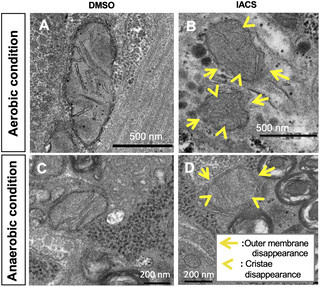
Sparganum proliferum is a rare but devastating parasite that poses significant health risks due to its ability to reproduce uncontrollably within the human body. This parasite can invade various organs, including the brain, liver, and skin, leading to severe complications and often resulting in death. Currently, there are no effective treatments available for infections caused by Sparganum proliferum, which has long been considered a mysterious organism due to its unknown lifecycle and transmission routes. A recent study aimed to uncover potential drug targets by focusing on the mitochondrial function of this parasite. The researchers discovered that Sparganum proliferum possesses a hybrid respiratory chain that allows it to engage in both aerobic and anaerobic respiration, providing it with the metabolic flexibility to thrive in different environments within the human body. This adaptability is crucial for the parasite's survival and proliferation. The study involved screening various compounds that target mitochondrial function. Notably, the antimalarial drug atovaquone was found to inhibit the respiratory chain at a very low concentration, indicating its potential as a therapeutic agent. Additionally, IACS-010759, a compound that inhibits mitochondrial complex I, was shown to cause significant structural changes in the parasite, including swelling and surface destruction. These findings highlight the mitochondrial respiratory chain as a promising target for drug development against this otherwise untreatable infection. Despite the encouraging results, the study emphasizes the need for further research to establish the safety and efficacy of these potential treatments in humans. The insights gained from this research provide a crucial biochemical roadmap for addressing the challenges posed by Sparganum proliferum infections, which have historically been neglected due to the parasite's rarity and the complexity of its biology. As the scientific community continues to explore effective interventions, this study marks an important step toward understanding and combating this deadly helminthic infection.