Anaerobic Degradation Pathway of Microcystin-RR Revealed by Multi-Omics Analysis
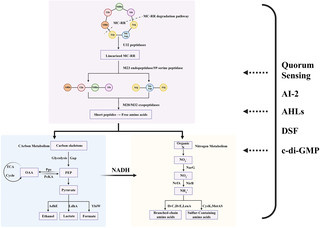
A study published in PLOS One explored the anaerobic degradation of microcystin-RR (MC-RR), a potent hepatotoxin produced by cyanobacteria, by a microbial community enriched from shrimp pond sediment. This research is particularly significant as microcystins are recognized as environmental pollutants that pose risks to aquatic life and human health. The study utilized advanced techniques such as LC-MS/MS, metagenomic, and metatranscriptomic analyses to investigate the degradation pathways of MC-RR. The researchers identified three key degradation products of 15N-labeled MC-RR: Adda-Glu-Mdha-Ala, a deamination product, and Glu-MeAsp-Ala-Arg-CO2. The proposed degradation pathway involves hydrolytic ring-opening at specific bonds, followed by deamination and decarboxylation, ultimately leading to the breakdown into shorter peptides and amino acids. The metagenomic analysis revealed Citrobacter amalonaticus as the dominant species in the microbial community, while Shewanella was noted as a low-abundance but transcriptionally active genus. Additionally, the metatranscriptomic analysis highlighted significant upregulation of non-canonical peptidases, suggesting a unique peptidase system involved in the transformation of MC-RR. The study also observed concurrent upregulation of genes related to dissimilatory nitrate reduction and nitric oxide detoxification, indicating a complex regulatory network during the degradation process. These findings provide valuable insights into the mechanisms of anaerobic degradation of microcystins by microbial communities in natural environments and offer a scientific basis for developing bioremediation strategies targeting these harmful toxins. The research underscores the importance of understanding microbial interactions and metabolic pathways in addressing environmental pollution caused by cyanobacterial blooms.