Study Evaluates Feed Additives for Improving Rumen Health in Feedlot Cattle
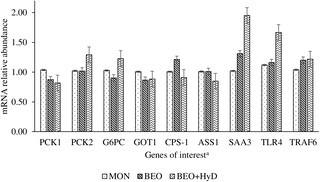
In light of increasing regulatory restrictions and consumer preferences for natural feed additives, a recent study aimed to evaluate the effects of different feed additive combinations on the health and performance of feedlot cattle. The research specifically compared the effects of sodium monensin, a commonly used ionophore antibiotic, with a blend of essential oils and α-amylase, as well as a combination of these additives with 25-hydroxicholecalciferol (HyD). Twenty-four F1 Angus-Nellore crossbred bulls, averaging 456 kg in body weight, were assigned to three treatment groups: 1) sodium monensin (MON), 2) a blend of essential oils plus α-amylase (BEO), and 3) BEO supplemented with HyD. The study utilized a mixed model for data analysis, considering treatment as a fixed effect and individual animals as random effects. Results showed that cattle receiving BEO and BEO + HyD had significantly higher dry matter intake, hot carcass weight, and dressing percentage compared to those on MON. Notably, the feed additives also influenced rumen health, with the BEO and BEO + HyD groups maintaining higher mean and minimum ruminal pH levels and spending less time below critical pH thresholds. However, there were no significant differences in meat quality traits across the treatment groups. The findings suggest that the combination of essential oils and α-amylase can improve ruminal health and enhance cattle performance without negatively impacting meat quality. This research highlights the potential of natural feed additives as viable alternatives to traditional antibiotics in cattle feed, addressing both performance and health concerns in livestock production.