Heme's Role in Regulating Erebosis in Drosophila Gut Cells
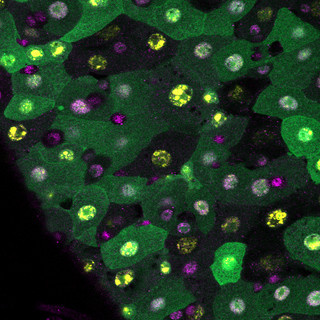
A recent study published in PLOS Biology has shed light on the role of heme in regulating a novel form of cell death known as erebosis in the Drosophila gut. Erebosis is characterized as a non-apoptotic, non-autophagic, and non-necrotic process, which is crucial for maintaining tissue homeostasis in the gut. The study reveals that cells undergoing erebosis accumulate angiotensin-converting enzyme (Ance) while losing many other proteins, leading to significant cellular changes including the loss of organelles and the nucleus. The researchers utilized single-cell RNA sequencing and genetic approaches to uncover the underlying molecular mechanisms of erebosis. They found that heme, a small metabolite, plays a critical role in this process. Specifically, the study shows that cells undergoing erebosis up-regulate the heme-degrading enzyme heme oxygenase (Ho) and the heme exporter Mrp5, resulting in decreased intracellular heme levels. Interestingly, the depletion of heme through overexpression of Mrp5 promotes erebosis, while heme accumulation via knockdown of Ho or Mrp5, or through dietary supplementation with a heme precursor, suppresses the process. Furthermore, downstream signaling pathways, particularly Dpp signaling, were found to inhibit erebosis. The inhibition of erebosis was shown to reduce intestinal stem cell proliferation, indicating a significant interplay between enterocyte death and stem cell activity. This research provides the first insights into the molecular mechanisms regulating erebosis and emphasizes the importance of heme in maintaining gut tissue homeostasis. The findings not only enhance our understanding of gut biology but also open avenues for further research into metabolic health and potential therapeutic targets.