Study Links Sugary Drink Consumption in Childhood to Increased Blood Pressure Risk
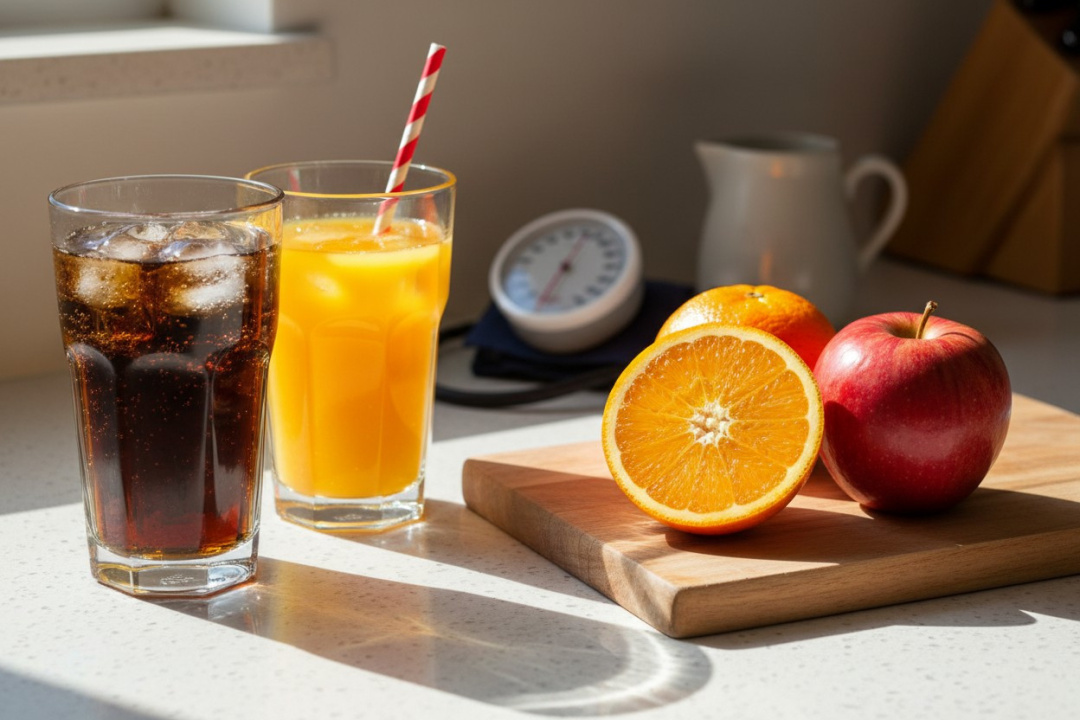
A study published in the journal Circulation has revealed concerning links between the consumption of sugar-sweetened beverages and the risk of developing high blood pressure later in life. This extensive research tracked over 25,000 U.S. children and adolescents, aged 9 to 16, for a duration of up to 25 years. The findings suggest that those who regularly consume sugary drinks, including 100% fruit juice, face a significantly higher risk of hypertension as they grow older. Specifically, the study, part of the Growing Up Today Study, followed participants from a mean enrollment age of 12 years until 2021, when the average age of participants was 36 years.
The observational study adjusted for various factors and found that children who consumed two or more servings of sugary beverages daily had a 52% higher risk of developing hypertension compared to those who consumed these drinks fewer than three times a week. One serving was defined as a 12-ounce can or glass. Among the sugary drinks, soda and sports drinks were identified as carrying the highest risk. Additionally, consuming 1.5 or more servings of 100% fruit juice daily was linked to a 35% increased risk of hypertension compared to those who had less than one serving per week. Notably, whole fruits did not show the same association with high blood pressure.
Prior research has established connections between sugar intake and elevated blood pressure levels. A meta-analysis indicated that high sugar consumption over two months could raise systolic blood pressure by an average of 6.9 mmHg and diastolic blood pressure by 5.6 mmHg. Furthermore, previous studies have associated soft drink consumption with various cardiometabolic risk factors and metabolic syndrome in middle-aged adults.
The study's senior author, Vasanti Malik, an associate professor at the Temerty Faculty of Medicine at the University of Toronto, emphasized that the source and matrix of how fructose is consumed are crucial. Whole fruits, which contain fiber, water, and other beneficial compounds, do not carry the same risks as fruit juices, which deliver sugars without the same nutritional benefits. Registered dietitian nutritionist Kara Siedman pointed out that the lack of fiber and the ease of consuming large amounts of juice can lead to excessive sugar intake.
The research also indicated that replacing one daily serving of sugary drinks with whole fruit could be associated with a 22% lower risk of hypertension, while substituting with milk and water was linked to a 13% and 9% lower risk, respectively. Chronic dehydration was noted as a significant factor in hypertension, with increased water intake potentially stabilizing blood pressure levels.
Malik cautioned that excessive fructose consumption, particularly in liquid form, could lead to metabolic complications. The study's authors noted that while their findings indicate an association between sugary drink consumption and hypertension, they do not establish a direct cause-and-effect relationship. With approximately one in seven U.S. children and teens showing signs of high blood pressure, the study underscores the importance of early detection and preventive measures. The global prevalence of childhood hypertension has alarmingly increased, nearly doubling from 3.2% in 2000 to 6.2% in 2020.
In conclusion, while the study adds to the body of evidence regarding beverage choices and cardiovascular risk, it does not recommend avoiding whole fruits, which contain fructose in its natural form. The findings call for a closer examination of dietary habits during childhood to mitigate long-term health risks associated with obesity and hypertension.