Cyclospora Outbreak in the U.S. Shows Signs of Decline, But Is Lettuce Safe to Eat?
Cyclospora, a parasite known for causing severe diarrhea, has affected thousands of Americans this summer, leading to nationwide recalls of contaminated products. According to new data, the number of reported cases appears to be declining, but the situation remains serious. The U.S. Centers for Disease Control and Prevention (CDC) reports over 15,700 confirmed cases across 47 states since May 1, with an additional 11,000 probable cases still under investigation. This year's outbreak has seen a significant increase compared to the previous summer, which recorded only 1,180 cases.
The infection, known as cyclosporiasis, typically surges during warmer months. Symptoms include severe, watery diarrhea, which is not usually life-threatening but can lead to hospitalization. Since May, at least 800 individuals have been hospitalized, and two deaths have been reported, both involving patients with serious underlying health conditions.
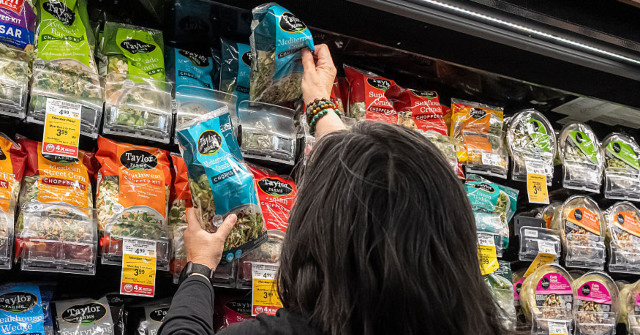
The outbreak has been primarily linked to iceberg lettuce sourced from Mexico, supplied by Taylor Farms, which has since issued a recall of affected products. Michigan has been the hardest-hit state, accounting for a significant portion of the cases, including the reported deaths.
Despite ongoing investigations into at least seven outbreaks, health experts have noted a potential slowdown in new diagnoses. Dr. Kavita Patel, a health policy expert, stated that the data suggests a decrease in cases, but cautioned that the outbreak is not yet over. The CDC and the U.S. Food and Drug Administration (FDA) are still working to identify the sources of ongoing outbreaks.
As concerns about food safety continue, many Americans are left questioning the safety of consuming fresh produce, particularly lettuce. Experts emphasize that while cyclospora is often associated with raw fruits and vegetables, the risk of contamination can be mitigated through proper food handling and cooking practices. Dr. Kali Kniel, a professor of microbial food safety, explains that the parasite is transmitted through contaminated food or water, and person-to-person transmission is rare.
The symptoms of cyclosporiasis can take anywhere from two days to two weeks to manifest after exposure. While most healthy individuals recover without medical intervention, severe cases may require treatment with antibiotics. Health officials stress the importance of hydration and seeking medical care if symptoms arise.
As the cyclospora season typically lasts from May through August, the potential for continued cases remains. The FDA has indicated that only one outbreak has been definitively linked to a specific food item, but multiple unrelated outbreaks may be occurring simultaneously. The challenge in tracking cyclospora is compounded by its long incubation period and delays in reporting.
Currently, the FDA has stated that the recalled iceberg lettuce is no longer in circulation, and health officials in Michigan have lifted warnings regarding lettuce consumption. Experts encourage consumers to stay informed about food safety alerts and recalls, noting that most fresh produce available in stores is not linked to the outbreak. While no food is entirely risk-free, certain fruits and vegetables are considered lower-risk options. Cooking food to at least 158 degrees Fahrenheit can effectively eliminate the parasite, and thorough washing of produce can further reduce the risk of foodborne illness. Individuals with weakened immune systems are advised to take additional precautions and consult healthcare providers regarding food safety.