Cooking Skills and Their Influence on Nutritional Status: A Systematic Review
A systematic review published in PLOS One investigates the potential influence of cooking skills on the nutritional status and dietary patterns of healthy adults. Cooking skills are defined as the knowledge, confidence, and attitude necessary for food preparation. Despite the increasing number of studies examining the relationship between culinary skills and dietary outcomes, there remains a notable gap in comprehensive reviews that synthesize this evidence. This review aims to address that gap by assessing whether the development of cooking skills can positively impact nutritional status and diet.
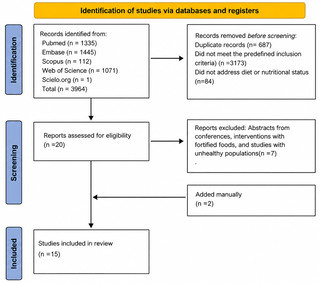
The review included a systematic search of studies across multiple databases, including PubMed, Embase, Scopus, Web of Science, and SciELO, focusing on intervention studies that involved healthy adults. The methodological quality of the included studies was evaluated using established tools for assessing bias. Ultimately, 15 studies met the inclusion criteria, although many were found to have serious methodological biases, such as lack of randomization.
The findings of the review suggest that improved cooking skills and increased frequency of cooking at home are associated with better dietary quality among adults. Specifically, the studies indicated that individuals with higher cooking skills tended to consume more unprocessed and minimally processed foods, particularly fruits and vegetables. However, the review did not find sufficient evidence to establish a clear link between cooking skills and overall nutritional status, as measured by parameters like Body Mass Index (BMI).
The authors emphasize that while cooking skills can enhance self-reported dietary behaviors, such as increased fruit and vegetable intake and greater cooking confidence, the certainty of this evidence is low. They call for further clinical trials to strengthen the evidence base regarding the impact of cooking skills on nutritional outcomes.
This review underscores the importance of culinary skills not only as a means of improving dietary quality but also as a potential strategy for health promotion and the prevention of chronic diseases. The authors note that cooking skills are influenced by early exposure to culinary practices, often passed down through generations, and are increasingly recognized as a determinant of dietary quality. Given the cultural significance of these skills, enhancing cooking abilities may contribute to better health outcomes in the general population.
Overall, while the review highlights the positive association between cooking skills and dietary behaviors, it also points out the need for more robust studies to draw definitive conclusions about their impact on nutritional status. The authors advocate for continued research in this area to better understand the role of cooking skills in promoting health and preventing chronic diseases.