Federal Health Policy Shift Prompts Major Food Brands to Remove Synthetic Dyes
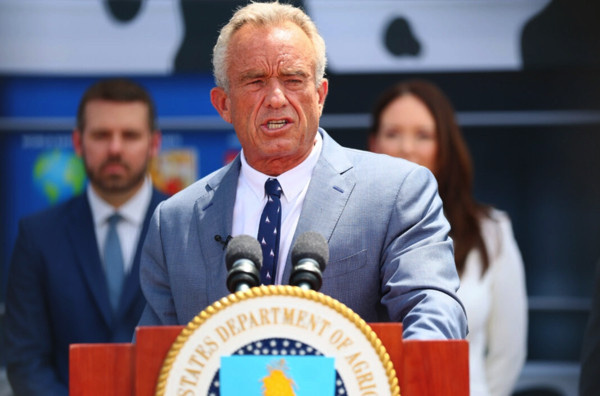
In a transformative move reshaping the American food landscape, a new federal health agenda is prompting significant changes within the food industry. Under the leadership of HHS Secretary Robert F. Kennedy Jr., the initiative aims to transition the nation away from synthetic additives towards a focus on 'real food.' This shift is a response to alarming statistics indicating that chronic diseases now affect approximately 60% of American adults, with conditions like obesity and diabetes on the rise. The urgency of this initiative is underscored by data from the Centers for Disease Control and Prevention, which reveals that chronic diseases account for 90% of the nation's staggering $5.3 trillion annual healthcare expenditures. Alzheimer's disease, increasingly linked to metabolic health, currently impacts nearly 7 million Americans, with costs expected to soar to nearly $1 trillion by 2050. Additionally, obesity affects over 40% of adults, leading to a cascade of preventable health issues. The economic and human costs associated with these conditions have become untenable, compelling the administration to shift its focus from merely treating symptoms to addressing the root environmental causes.
This policy shift has catalyzed immediate and voluntary actions within the food industry, with many brands recognizing the need to adapt to avoid obsolescence. Nestlé USA has emerged as a leader in this movement, pledging to eliminate artificial dyes from all its U.S. products by mid-2026, with over 90% of its product lineup already compliant. This includes popular brands such as DiGiorno and Hot Pockets. General Mills has set a goal to remove dyes from its cereals and school products by summer 2026. Meanwhile, Kraft Heinz is taking a more gradual approach but has committed to eliminating synthetic colors from its entire U.S. line by 2027. These corporate commitments align with a broader trend, as many of these companies already adhere to stricter dye regulations in Europe and are now applying similar standards in the U.S. market. However, not all companies are compliant; some candy manufacturers, such as Mars, are resisting changes due to cost and consumer preference concerns.
The administration's policy is shifting the focus from merely accessing healthcare to enhancing quality of life, emphasizing prevention over intervention. The FDA has introduced the Chemical Contaminants Transparency Tool to disclose food ingredients and is actively revoking approvals for specific dyes, including Orange B and Citrus Red No. 2. Concurrently, the NIH has launched a $50 million Autism Data Science Initiative to investigate the causes and environmental exposures associated with the neurodevelopmental condition, which has seen diagnosis rates rise dramatically from 1 in 150 children in 2000 to 1 in 32 today. This initiative is also coupled with a departure from previous COVID-19 vaccine mandates, favoring a risk-stratified approach that focuses booster recommendations on the elderly and immunocompromised, aligning U.S. policies more closely with those of Western European nations.
While these changes are substantial, they face legal and corporate resistance. Nonetheless, the trajectory indicates a significant shift in how Americans perceive nutrition and health. Even as courts temporarily block certain aspects of the vaccine policy and some SNAP waivers, the private sector is signaling a definitive break from a past characterized by ultra-processed foods and cheap fillers. This collaboration between governmental pressure and market forces is laying the groundwork for a new public health standard, where the consumer's plate becomes a critical battleground for promoting longevity and cognitive vitality.














