Somalia Faces Escalating Hunger Crisis Amid Funding Cuts and Drought
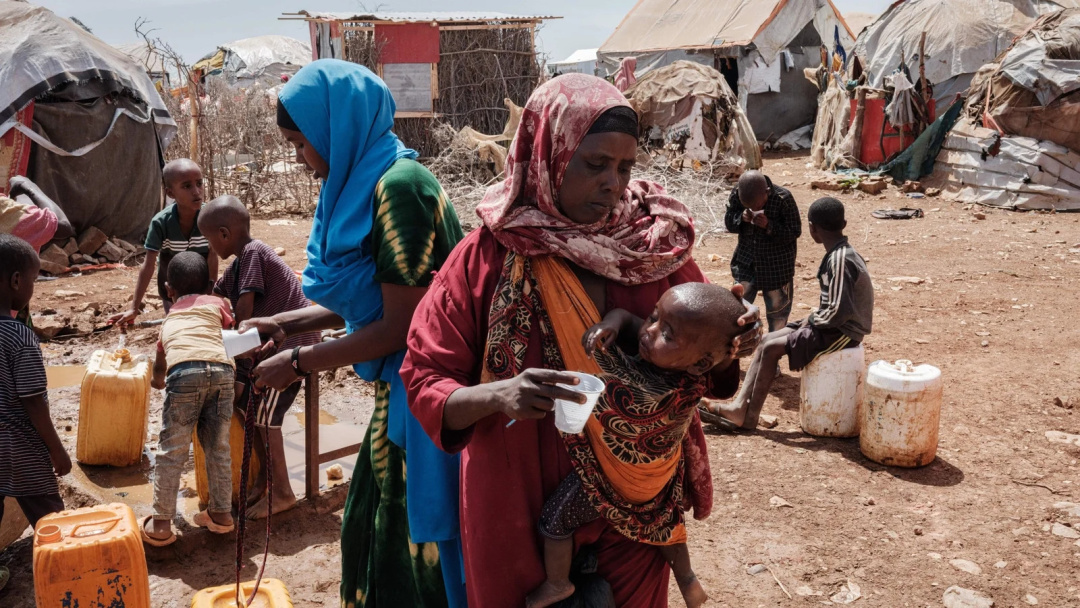
Somalia is grappling with a deepening hunger crisis, exacerbated by a series of failed rainy seasons that have devastated agricultural production, killed livestock, and depleted vital water supplies. The situation has been further complicated by significant cuts in funding for aid agencies operating in the region. In February, the Somali government and the United Nations reported that approximately 6.5 million people are facing acute hunger as a result of prolonged drought conditions. UNICEF's Global Spokesperson, James Elder, highlighted the dire circumstances during an interview on RTÉ's Today programme, stating that the country is approaching another famine. He emphasized that the population is enduring multiple climate shocks alongside ongoing conflict, which has led to the closure of numerous health and nutrition facilities due to funding cuts. Elder remarked on the unprecedented nature of these aid reductions, noting their rapid impact on the ground. He pointed out that the costs associated with the conflict in Iran, particularly concerning food, fertilizer, and fuel, are contributing to the crisis in Somalia. According to the United Nations, over half a million people were displaced in the first quarter of 2026 alone, primarily driven by drought, with women and children making up around 85% of those affected. The current crisis has revived fears of a repeat of the near-famine experienced in 2022. Aid agencies are struggling to respond effectively due to severe funding shortfalls, with Médecins Sans Frontières (MSF) reporting an over 80% drop in funding aimed at tackling acute malnutrition in Somalia this year. MSF Health Adviser Mitchell Sangma noted that U.S. support for aid agencies has plummeted from $70 million last year to zero this year, leaving organizations unable to meet rising needs. Sangma stated that MSF has seen a significant increase in nutrition cases, with admissions rising by more than 80% compared to the previous year. He stressed that while the need for intervention is growing, donor support is waning. MSF has indicated that only about $300 million is currently available from donors for Somalia, a stark contrast to the $2.2 billion provided in 2022 during a similar drought crisis. Allara Ali, MSF's project coordinator in Somalia, urged that action must be taken before a famine declaration is necessary, emphasizing the urgent need to prevent loss of life.