Breastfeeding Challenges in Gaza: Mothers Seek Support Amid War and Displacement
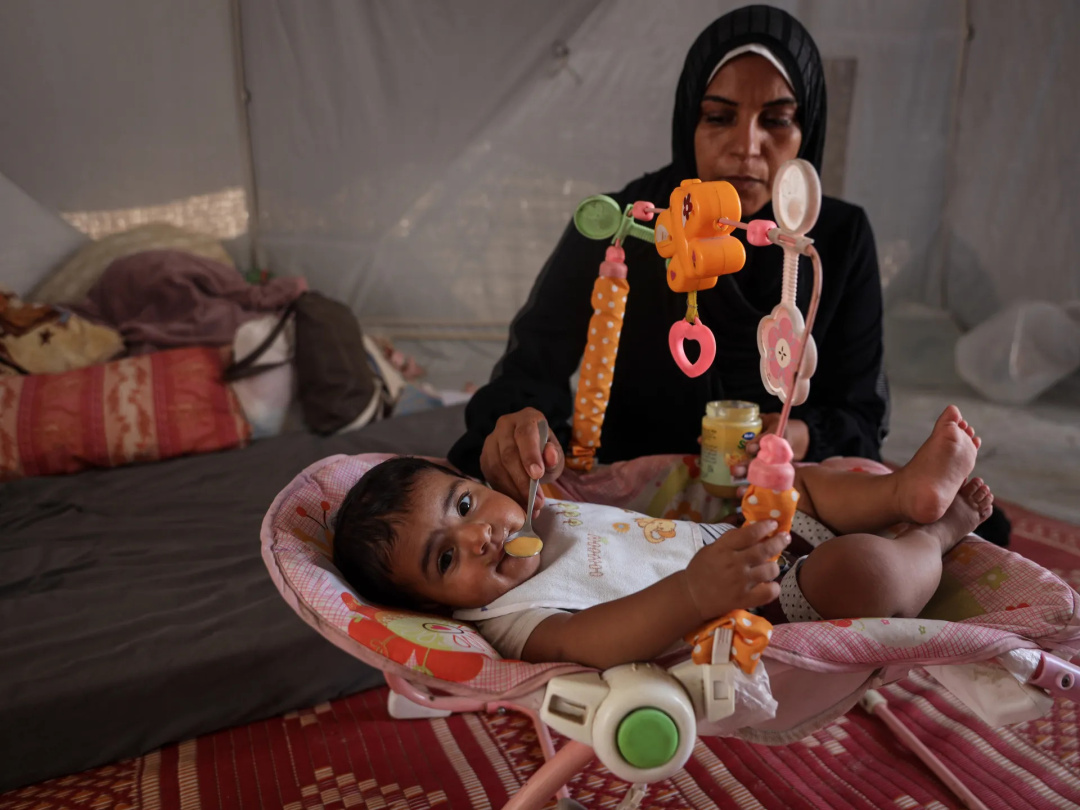
In the Gaza Strip, mothers are grappling with immense challenges in breastfeeding their infants, exacerbated by ongoing conflict and displacement. Eman Huneidq, a 38-year-old mother of three, visits the Mother and Child Corner at Hikr al-Jame’ Health Centre in Deir el-Balah twice a week. After a difficult pregnancy complicated by health issues and the trauma of displacement, Eman sought support to help her breastfeed her nine-month-old daughter, Ward. She faced painful breastfeeding challenges, including cracks in her breasts and reliance on expensive formula milk, which is hard to access due to the ongoing crisis in Gaza.
The Mother and Child Corner, managed by nursing specialist Sabreen al-Buhaisi, provides crucial support to approximately 400 to 500 women each month. Al-Buhaisi notes that the psychological toll of displacement, loss, and economic hardship significantly impacts women's ability to breastfeed. The center not only offers guidance to mothers but also engages their families, emphasizing the importance of community support in nurturing breastfeeding practices.
Eman shared how the sessions have helped her manage her diabetes while learning about available food options in a war-torn environment where basic nutrition is scarce. Many families, including Eman's, rely on community kitchens for meals, as they cannot afford basic foods.
Hiba al-Masri, a 23-year-old mother of four, also attends the center, struggling to care for her three-month-old son, Yusuf, in overcrowded conditions. Hiba's experience reflects the broader struggles faced by mothers in Gaza, as she lost her third daughter early in the conflict and now navigates the challenges of breastfeeding under immense pressure.
Breastfeeding specialists like Iman Abu Ouda highlight the difficulties mothers face in accessing health services due to scarce transportation and overcrowded living conditions. Many women express concerns that their psychological state and poor nutrition hinder their ability to breastfeed. The center aims to reassure them that breastfeeding is still possible, even in dire circumstances, while recognizing the severe food shortages they endure.
The support provided extends beyond just breastfeeding advice. Many mothers arrive at the center dealing with grief from loss and the stress of caring for newborns in inadequate living conditions. The center collaborates with mental health professionals to address the psychological needs of these mothers, ensuring they receive holistic care.
Despite the overwhelming conditions outside, Eman remains determined to provide for her daughter through breastfeeding. She reflects on the importance of hygiene and a clean environment for her baby, acknowledging the challenges posed by their living situation. Eman’s resilience and commitment to her child's well-being underscore the profound difficulties faced by mothers in Gaza, who continue to seek support and guidance amid ongoing adversity.