Link Between Sugar-Sweetened Beverages and Increased Stomach Cancer Risk Identified
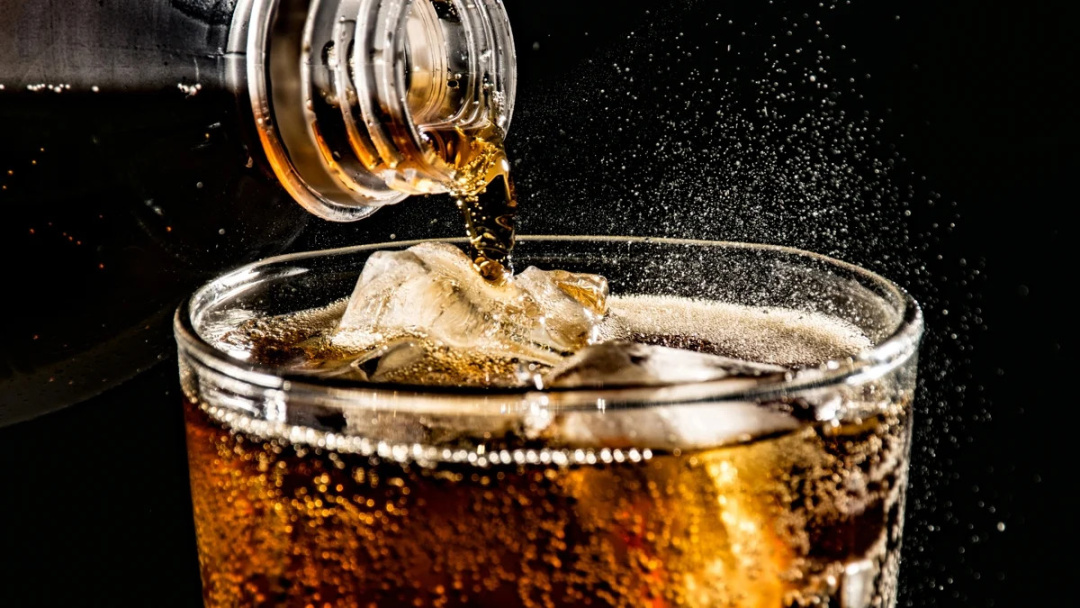
A recent study published in Gastro Hep Advances has revealed a concerning association between the consumption of sugar-sweetened beverages and an increased risk of gastric cancer. This research highlights that individuals who consume at least one sugar-sweetened beverage daily are about 2.45 times more likely to develop gastric cancer compared to those who abstain from these drinks. Senior author Andrew T. Chan, a gastroenterologist at Massachusetts General Hospital, noted that this is the first study to establish a link between sugar-sweetened beverage intake and gastric cancer in a US population. Gastric cancer, which ranks as the fifth leading cause of cancer death globally, has not been extensively studied in relation to dietary factors until now. While previous research has suggested various health risks associated with sugary drinks, including obesity and type 2 diabetes, the connection to gastric cancer has remained unclear due to limited data. Chan's team utilized data from two large studies—the Nurses' Health Study and the Health Professionals Follow-Up Study—encompassing over 112,000 participants. Participants provided dietary information, including their intake of sugar-sweetened beverages such as sodas and sports drinks, alongside lifestyle factors and medical histories. From 1986 to 2022, the studies documented 278 cases of gastric cancer among the participants. The findings revealed that both men and women who consumed at least one sugary drink per day faced heightened risks, with women experiencing nearly a three-fold increase in risk compared to men, who had about double the risk. Notably, the study did not find any correlation between artificially sweetened beverages and gastric cancer incidence, despite ongoing debates regarding the safety of artificial sweeteners. It is important to note that this observational study can only indicate correlations and does not establish a direct causal relationship between sugary drink consumption and gastric cancer. Limitations of the study include a lack of comprehensive data on Helicobacter pylori infection, a known risk factor for gastric cancer, and incomplete health and family histories among participants. The researchers emphasize the need for further studies to confirm these findings and explore the biological mechanisms that may underlie the potential carcinogenic effects of sugar-sweetened beverages. Several hypotheses have been proposed, including weight gain, insulin resistance, and inflammation, but more research is necessary to clarify these connections. The findings underscore the importance of understanding dietary impacts on cancer risk and highlight the need for continued investigation into the health implications of sugar-sweetened beverages.