Phage-Encoded Small RNA HnrS Modulates Gene Silencing in Pathogenic E. coli
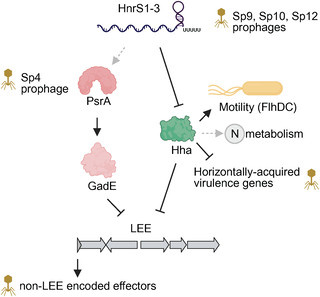
Horizontal gene transfer (HGT) is a vital process that allows bacteria to acquire new traits, including those that contribute to their pathogenicity. However, the introduction of foreign DNA can disrupt normal cellular functions, leading to the evolution of mechanisms that silence these foreign genes until they can be safely integrated into the host's regulatory framework. In Enterohaemorrhagic Escherichia coli (EHEC), a significant portion of the genome consists of prophages, which are viral elements that can carry virulence factors. A recent study published in PLoS Pathogens has identified a small RNA (sRNA) named HnrS, which is encoded by these prophages and plays a critical role in overcoming the silencing of virulence genes.
The study reveals that HnrS is a 66-nucleotide sRNA enriched in EHEC strains and is present in multiple copies within their genomes. It functions by base-pairing with the ribosome-binding site of Hha, a protein that enhances the silencing effect of H-NS, a nucleoid-associated protein that represses the expression of foreign genes. By inhibiting the translation of Hha, HnrS effectively reduces its silencing capability, thereby allowing the expression of virulence genes, including those involved in the type III secretion system (T3SS), which is crucial for bacterial infection.
The researchers found that the loss of HnrS leads to altered motility and changes in the expression of several Hha-regulated genes. This discovery highlights a sophisticated RNA-based counter-silencing strategy utilized by bacteriophages to manipulate bacterial gene regulation. Unlike other phage proteins that may broadly interfere with bacterial silencing systems, HnrS specifically targets the silencing mechanisms related to virulence, suggesting a refined approach to enhancing bacterial pathogenicity.
The implications of this study extend beyond basic microbiology, as understanding the mechanisms of gene regulation in pathogenic bacteria can inform strategies for combating infections and developing new therapeutic approaches. The findings contribute to a growing body of knowledge regarding the interactions between bacteriophages and their bacterial hosts, emphasizing the importance of sRNAs in the regulation of virulence factors.
This research was conducted by a team from the School of Biotechnology and Biomolecular Sciences at UNSW Sydney and the Australian Institute for Microbiology and Infection, among others. The study was published on August 18, 2026, and is part of ongoing efforts to understand the complexities of bacterial evolution and pathogenicity.














